
Reviewed · AYUTTHAYA DAY TRIPS
Bangkok: Audio guides for Bangkok, Ayutthaya & Chiang Mai
Thailand’s temples and palaces make far more sense when you know what you’re looking at. This self-guided audio service gives you more than 40 explanations across Bangkok, Ayutthaya, Chiang Mai, and Chiang Rai, from the Grand Palace to the White Temple.
I like the six-month access period, which lets you use the guides over a longer trip or across several visits. I also like the simple setup: one booking can be shared by your group, and you set the pace instead of following a guide with a flag. The tradeoff is that some explanations may feel basic or read like general internet research, so this suits curious independent sightseers more than anyone seeking a polished, dramatic narration.
In This Review
- Key points at a glance
- Why context matters at Thailand’s temples
- Bangkok: fourteen guides for the city’s major sights
- Ayutthaya: use the guides among the ruins
- Chiang Mai: Buddhism explained in practical terms
- Chiang Rai: from the White Temple to the Golden Triangle
- How the audio format works in real use
- Is $9 good value for six months?
- Who will get the most from this service?
- Should you book it?
- FAQ
- How long can I use the audio guides?
- Which destinations are covered?
- How many audio guides are included?
- Which languages are available?
- Do I need to meet a guide somewhere?
- What do I need to bring?
- Are entrance tickets included?
Key points at a glance
- Four Thai destinations in one purchase: Bangkok, Ayutthaya, Chiang Mai, and Chiang Rai are all covered.
- Bangkok gets the largest section: Fourteen guides include the Grand Palace, Wat Pho, Wat Arun, Chinatown, and Wat Traimit.
- Ayutthaya is well suited to self-guided exploring: Six guides cover major temple ruins and Bang Pa-In Summer Palace.
- Chiang Mai adds useful Buddhist context: Guides explain monastery life, basic Buddhist principles, offerings, and hill tribes.
- You have 180 days to listen: This is helpful if your Thailand trip includes several cities or separate day trips.
- Bring your own equipment: You need a charged smartphone, internet access, and headphones. Entrance tickets are separate.
Why context matters at Thailand’s temples
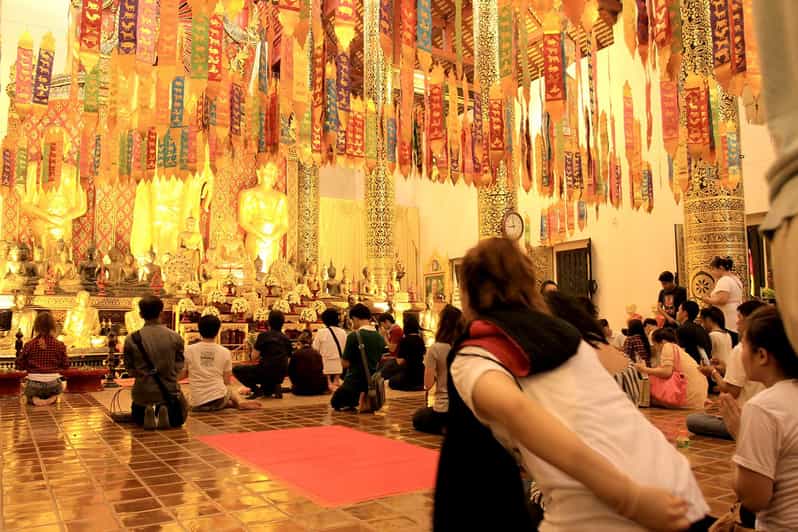
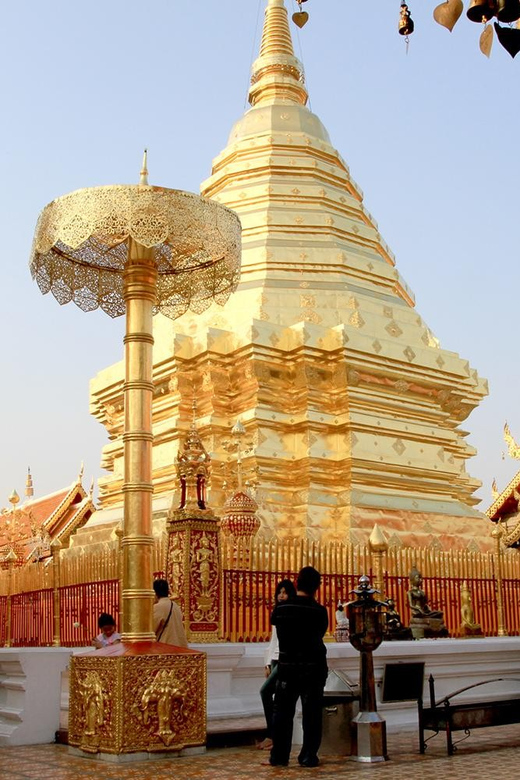
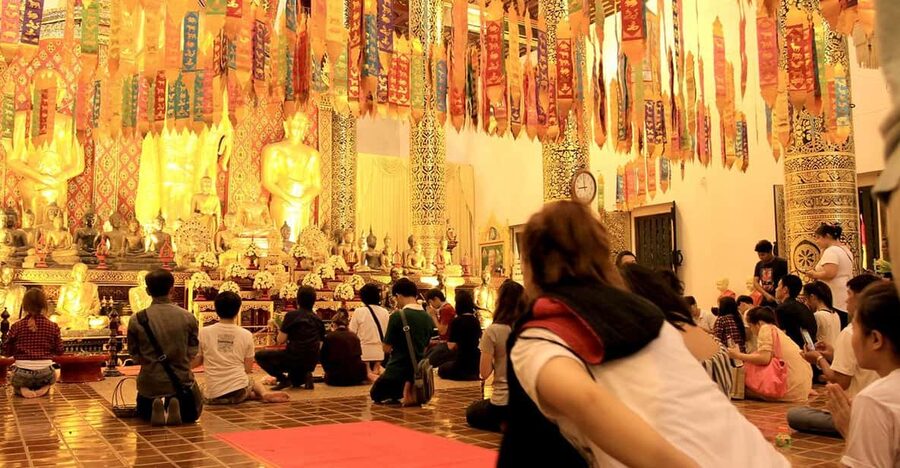
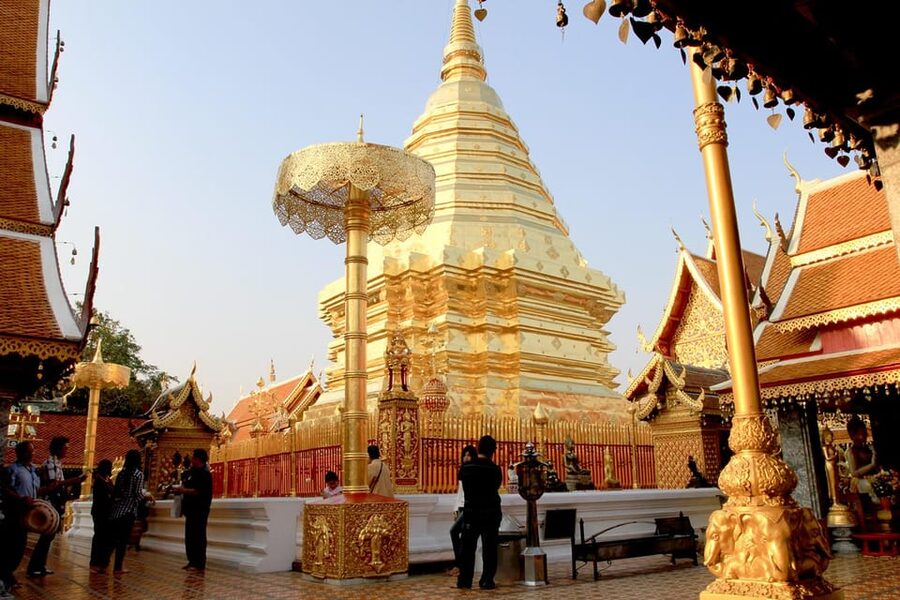
Thailand can be visually overwhelming. Gold roofs, guardian figures, prayer halls, stupas, palace buildings, and Buddha images often appear side by side. Without context, you may take a few photos, admire the color, and move on without knowing why the site matters.
The audio guides aim to fill that gap. They explain the origins, purpose, and setting of each monument, along with practical tips for seeing it. That basic information can change the way you look at a temple. A Buddha image is not simply a statue, and a ruined brick tower is not just an old structure. The meaning depends on Buddhist practice, royal power, local tradition, and the way the site has been used.
You should keep your expectations sensible. This is not a live guide who can answer questions, notice what has caught your eye, or adjust the talk to the weather and crowd. The narration is fixed. One particularly negative assessment found the material too thin, too similar to information available online, and dull in delivery. That is an important warning for listeners who care greatly about voice quality and storytelling.
At its best, this service gives you a useful framework before or during a visit. At its weakest, it may feel like a spoken summary you could have found elsewhere. The value depends on whether you want ready-to-use explanations without doing your own research.
More Ayutthaya day trips:
- From Bangkok: Ayutthaya Temples Guided Tour with Lunch
★ 4.7 · 10,535 reviews - From Bangkok: Ayutthaya & Ayothaya Floating Market Day Trip
★ 4.7 · 6,084 reviews - From Bangkok: Ayutthaya Historical Park Guided Day Trip
★ 4.6 · 3,020 reviews
Bangkok: fourteen guides for the city’s major sights
Bangkok receives the largest share of the audio collection, with fourteen guides. That makes sense. The city’s main sights are spread across different areas, and you may visit them on separate days rather than as one neat walking route.
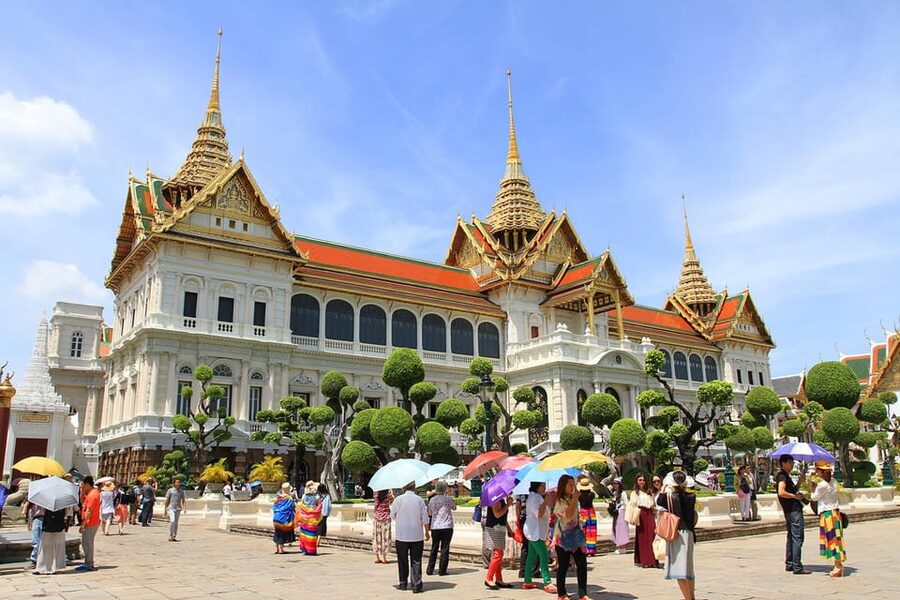
The Grand Palace is an obvious starting point. The buildings here combine royal ceremony, religious importance, ornate decoration, and strict visitor expectations. An audio explanation can help you separate the palace complex from the Temple of the Emerald Buddha and understand why the setting matters beyond its glittering surfaces.
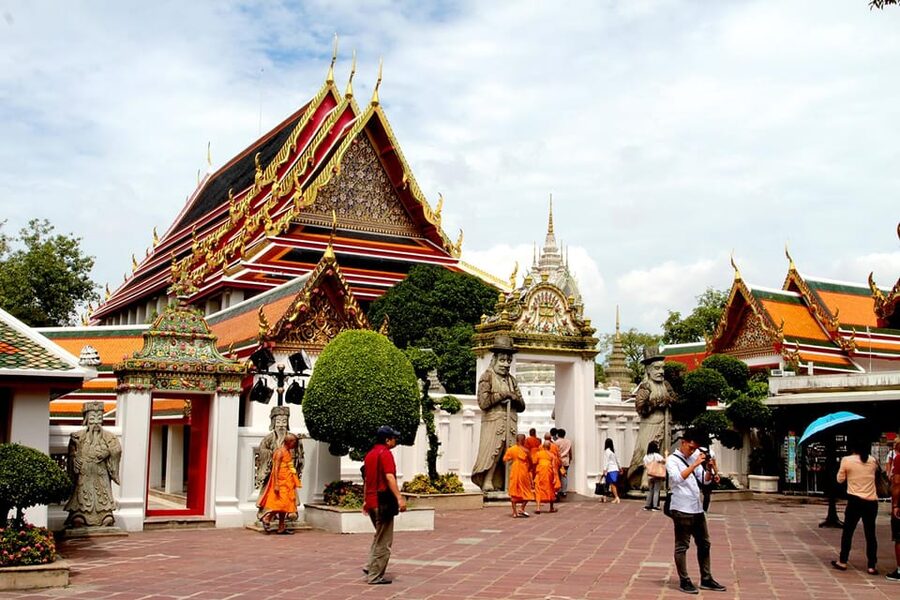
Wat Pho deserves its own listening time. Many people know it for the enormous reclining Buddha, but the complex also provides a useful introduction to Thai temple design and religious practice. You can use the guide while moving through the grounds, then pause when you reach details you want to inspect.
Across the river, Wat Arun offers a very different visual experience. Its tall central prang is covered with decorative ceramic work, and its position beside the Chao Phraya makes it one of Bangkok’s most recognizable sights. An explanation of the monument’s symbolism and design can help you notice more than the famous river view.
Chinatown brings a change of subject. Here, the guide moves away from royal and Buddhist monuments toward the history and character of one of Bangkok’s best-known districts. That variety is useful. You are not listening to the same temple lecture all day.
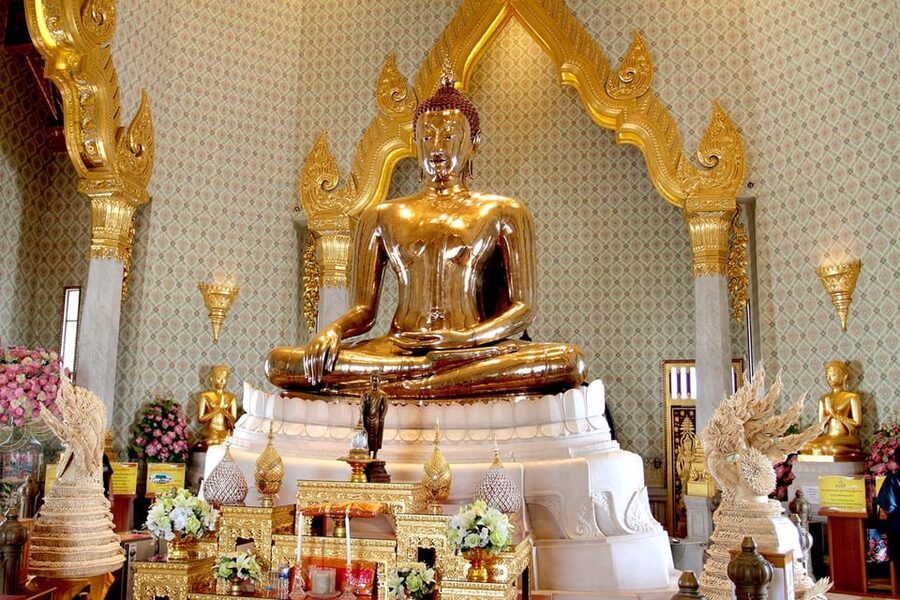
Wat Traimit, home to the famous Golden Buddha, is another strong inclusion. The image’s material and story make the visit different from seeing a painted or plaster Buddha. A guide can give you the basic background before you enter, so the object does not become just another photo stop.
The main practical issue in Bangkok is the lack of a stated route or meeting point. You must plan your own transport and decide when to play each guide. That freedom is useful, but it also means you should not expect a timed city tour or help navigating between sites.
Ayutthaya: use the guides among the ruins
Ayutthaya is the most natural place to use an audio guide. The former royal city contains scattered temples and ruined structures, so you need to make choices about what to see and in what order. Six guides cover a varied selection rather than focusing on one small area.
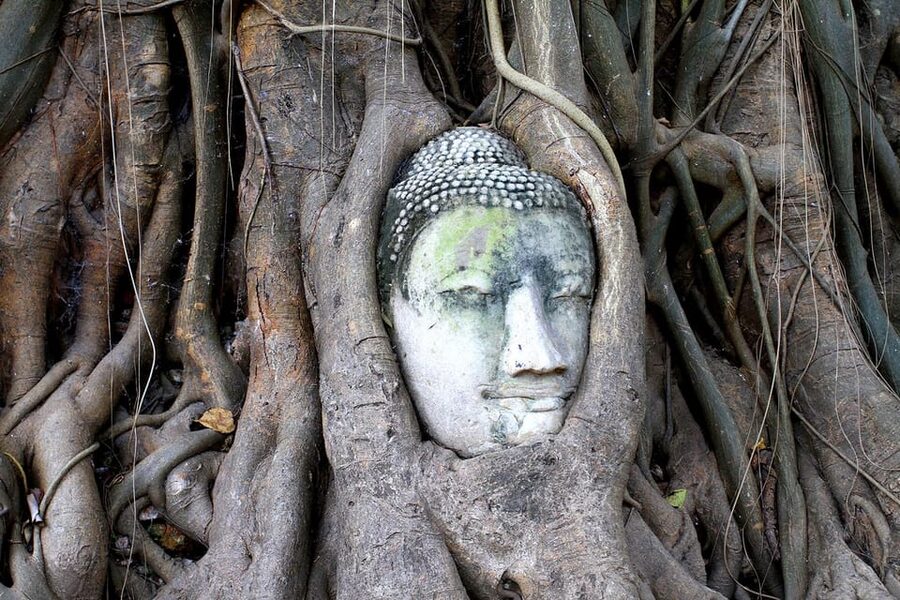
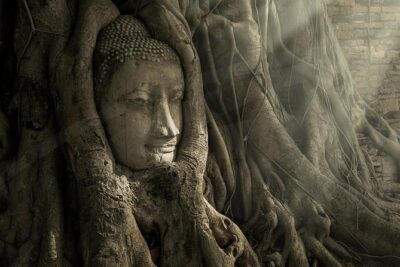
Wat Mahathat is among the essential stops. Its weathered brick remains and famous Buddha head surrounded by tree roots are visually striking, but an explanation gives the site more meaning. You can learn about the monument’s setting and history while standing close to the remains instead of treating the tree as an isolated curiosity.
Wat Yai Chai Mongkol offers a different view of Ayutthaya’s religious architecture. Its tall chedi and rows of Buddha images create a strong sense of order, even as the wider site shows the effects of time. The guide can help you understand how the buildings and images fit into the city’s religious life.
Wat Phanan Choeng adds another important stop to the selection. Its large Buddha image makes a strong impression, and the temple gives you a chance to see a religious site that feels different from the open-air ruins. This contrast is one reason the Ayutthaya set works better than a list of famous ruins alone.
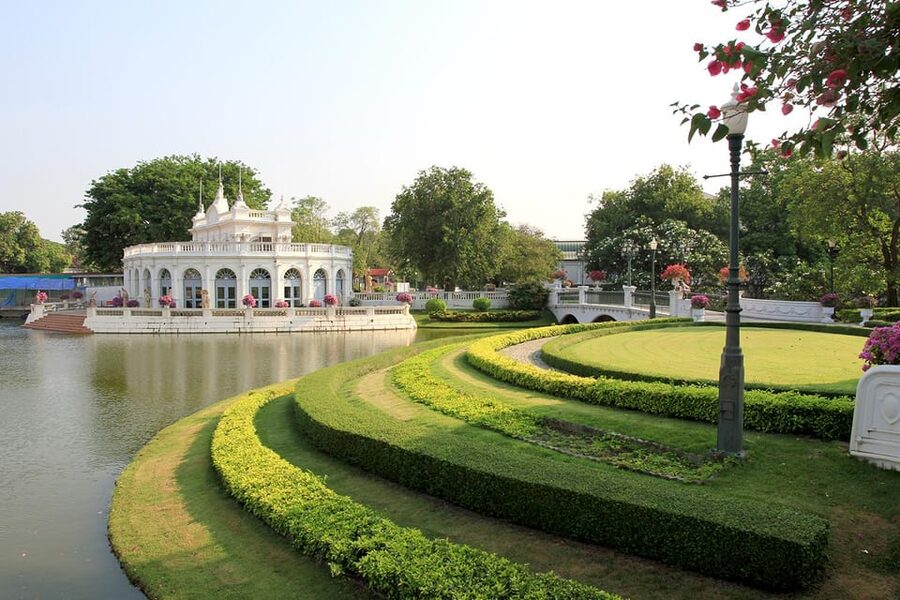
Bang Pa-In Summer Palace widens the picture again. It is not simply another temple complex. The palace grounds reflect royal leisure and architecture, giving you a change of pace after brick stupas and old monastery walls.
Ayutthaya rewards an unhurried visit, and the six-month access period helps if you split the area across more than one outing. The limitation is that the service does not include transport, admission, or a local escort. You will need to arrange your own way between sites and decide how much time to spend at each one.
Chiang Mai: Buddhism explained in practical terms
Chiang Mai has six guides, including three temples that form a useful introduction to Buddhist practice.
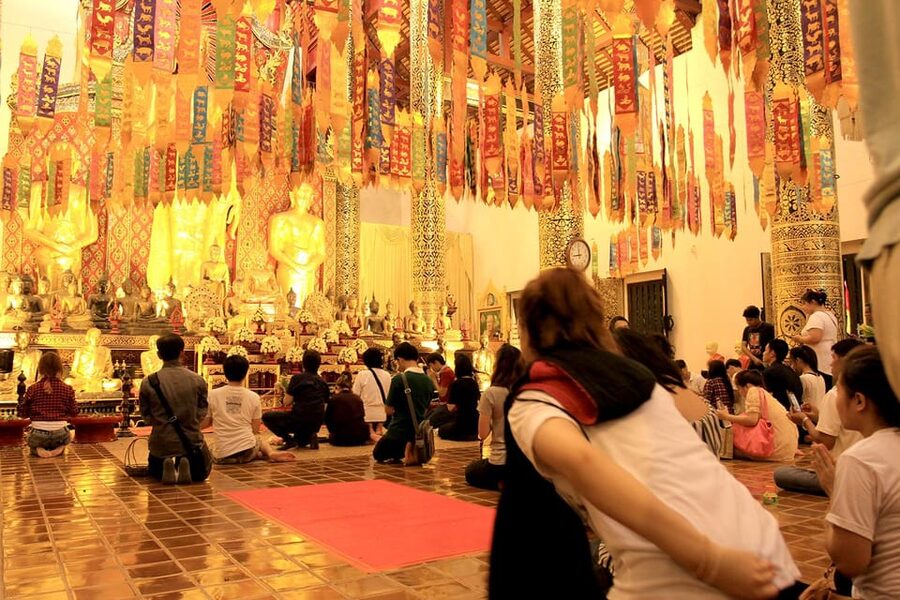
Wat Phra Singh is presented through the question of what you find inside a Buddhist monastery. That is a practical angle. Instead of only pointing out the main image or the most decorated building, the guide helps you understand the parts of a monastic complex and how they relate to worship.
Wat Chedi Luang focuses on basic Buddhist principles. That may be the most useful subject in the whole Chiang Mai group. You do not need a degree in religion to appreciate the city’s temples, but knowing a few central ideas makes the images, offerings, and ceremonies easier to understand.
Wat Doi Suthep explains how to make offerings. This is a helpful subject because it deals with behavior, not just architecture. You can approach the temple with more awareness of what people are doing and why, rather than copying actions without knowing their meaning.
An additional guide introduces Buddhism more broadly, while another discusses the Hill Tribes. Together, these topics give you more than a simple temple checklist. They connect the buildings to living belief and to the wider cultural setting of northern Thailand.
Still, the Buddhist material will only be as useful as its presentation. If you prefer detailed scholarly interpretation, local stories, or a conversation with a monk or guide, this format may leave you wanting more. If you simply want clear starting points before entering the temples, it should serve you well.
A few more Bangkok half-days to weigh up
- Bangkok: Tuk Tuk Day Pass App & Boat Chao Phraya River
★ 4.2 · 593 reviews - Bangkok Combo: Tuk Tuk App Pass, Chao Phraya Boat & E-sim
★ 4.5 · 94 reviews - Private ‘Breeze & Pleased’ Canal Boat Ride – 2hrs (self-guided)
★ 5.0 · 91 reviews - Bangkok Grand Palace & Emerald Buddha Flexible Pass w/ Audio
★ 3.8 · 35 reviews
Chiang Rai: from the White Temple to the Golden Triangle
Chiang Rai receives six guides, with the famous White Temple at the center of attention. Wat Rong Khun is unlike a traditional Thai temple in its bright white surfaces and unusual decorative style. The guide can help you approach it as a modern artistic and religious project rather than assuming every detail comes from an ancient tradition.
The Black House provides a sharp contrast. Its darker, more unusual artistic setting gives you a second way to think about northern Thai visual culture. The contrast between the White Temple and Black House is one of the reasons the Chiang Rai collection is worth having if your route includes both sites.
The Golden Triangle guide takes you beyond a single monument. This area carries strong historical associations, and a broad explanation can help you place the region in context. The city guide adds another layer, giving you material for Chiang Rai itself rather than only its better-known excursions.
The Chiang Rai section is especially useful for people who are visiting independently and want some preparation before reaching these distinctive places. The downside is practical: the audio service does not provide transportation or tickets, so the guides cannot solve the distances between sites.
How the audio format works in real use
After you purchase, you receive a voucher with your reservation details and the website hosting the audio guides. There is no meeting point, pickup, or fixed starting time. You use your own smartphone and internet connection.
That arrangement keeps things easy. You can listen before entering a monument, pause while taking photographs, or return to a section later. You also avoid joining a group at a set hour. For a family or small group, one booking is enough, provided you share access from the same purchase.
The format also creates a few responsibilities. Your phone needs to be charged, and you need internet access. Headphones are not included, so bring your own if you want to listen clearly in crowded places. Tickets are also separate, and the service does not replace entrance reservations or local transport.
I would check the content soon after buying. The provider specifically allows you to review the approach and request cancellation if it is not what you want. That matters because audio quality is personal. Some people will appreciate the direct, simple explanations. Others may find the narration flat or too close to generic online information.
The audio guides are available in English, Spanish, Portuguese, and Catalan. Language choice can make a major difference in how useful the explanations feel, especially when you are already processing unfamiliar names and customs.
Is $9 good value for six months?
At $9 per person, the price is modest if you use the collection across several cities. More than 40 guides for Bangkok, Ayutthaya, Chiang Mai, and Chiang Rai cost less than booking a separate private guide in each place. The one-booking-per-group rule can make the deal even better for couples or families.
The value drops if you visit only one attraction and listen briefly. In that case, you are paying for access to a large collection you may not use. It also does not include tickets, headphones, Wi-Fi, or transport, so the $9 is an information cost, not the full cost of sightseeing.
The six-month validity is the strongest part of the price. You can use the Bangkok guides early in your trip, then return to the service for Ayutthaya or northern Thailand later. You do not have to rush through every recording in one day.
The overall rating is 4 out of 5 from 38 assessments, with several strong comments praising the clear, complete, and easy-to-use nature of the guides. One Spanish-language assessment called the experience very helpful for understanding temples and Chinatown. At the same time, the sharp criticism about limited explanations and an emotionless delivery should remain part of your decision.
Who will get the most from this service?
I would choose this for an independent visitor who likes to stop, look, and move on without a group schedule. It is also a practical choice if your itinerary covers several Thai cities and you want one low-cost audio collection rather than separate bookings.
It suits you particularly well if:
- You want basic cultural and religious context at major sights.
- You are comfortable using your phone while sightseeing.
- You prefer exploring at your own pace.
- You will visit more than one of the four destinations.
- You need one shared purchase for a small group.
- You can accept a straightforward narration rather than a highly theatrical one.
I would think twice if you want a personal guide, detailed academic material, lively storytelling, or answers to questions as they arise. The audio cannot react to what you see, and its explanations may feel too general for experienced Thailand visitors.
Should you book it?
Book it if you want an inexpensive, flexible introduction to Thailand’s major monuments and expect to visit several cities over six months. The strongest value comes from the wide coverage, the Bangkok selection, and the practical Buddhist subjects in Chiang Mai.
Skip it if your priority is expert interpretation or memorable narration. Before committing fully, use the early review period to check the style and depth. For the right listener, this is a handy companion that helps turn unfamiliar temples, palace grounds, and ruins into places with a clearer story.
FAQ
How long can I use the audio guides?
The audio guides are valid for 180 days, or six months, from the applicable starting date shown with availability.
Which destinations are covered?
The collection covers Bangkok, Ayutthaya, Chiang Mai, and Chiang Rai.
How many audio guides are included?
You receive access to more than 40 audio guides covering major monuments and sites in the four destinations.
Which languages are available?
The guides are available in English, Spanish, Portuguese, and Catalan.
Do I need to meet a guide somewhere?
No. There is no meeting point or pickup. You access the audio guides through your smartphone.
What do I need to bring?
Bring a charged smartphone and internet access. Headphones are not included, so you must provide your own if you want to use them.
Are entrance tickets included?
No. Tickets for the monuments and attractions are not included in the audio guide service.
Just added around Bangkok
- Yoga in the Park Thailand★ 5.0 · 12 reviews
- Bangkok and Ayutthaya 3 Days★ 4.5 · 12 reviews
- Private Tour: Damnoen Saduak Floating Market and Bangkok City Temples★ 5.0 · 12 reviews
- Chinatown (Yaowarat Road) Neon Photoshoot★ 5.0 · 12 reviews
- Ayutthaya Day Tour By Coach and Cruise★ 4.0 · 12 reviews
- Bangkok Suvarnabhumi Airport: VIP Meet & Greet Service (Fasttrack)★ 3.5 · 12 reviews
- Private Tour: Floating Markets and Suan Sampran Day Trip from Bangkok★ 3.5 · 12 reviews
- Bangkok: Wow Park Interactive Amusement & Science Park★ 4.5 · 12 reviews
Ayutthaya Day Trips, compared.

Ayutthaya & Ayothaya Floating Market Day Trip
Read our review →
Ayutthaya Temples and River Cruise from Bangkok
Read our review →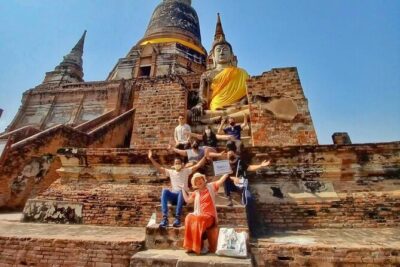
UNESCO’s Ayutthaya Historical Park: Full-Day Tour from Bangkok
Read our review →
The Old Siam: Ayutthaya Temples Small Group Tour with Lunch
Read our review →
Historical City of Ayutthaya – Unesco Full Day Tour From Bangkok
Read our review →
Lopburi Monkey Temple & Ayutthaya Old City Tour From Bangkok
Read our review →Browse the lists this tour appears in