
Reviewed · BANGKOK STREET FOOD TOURS
Bangkok: Street Food Tasting Tour at Night
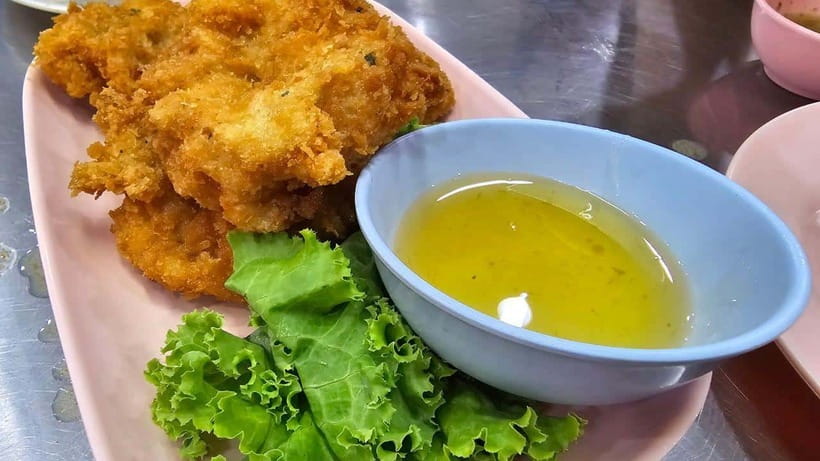
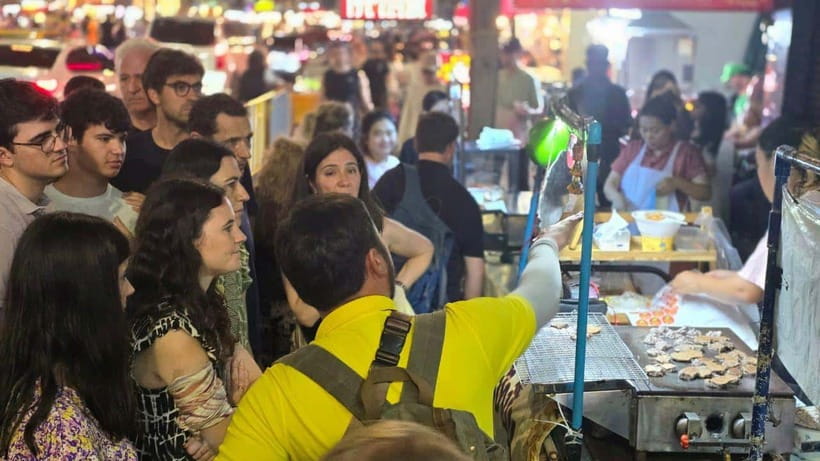
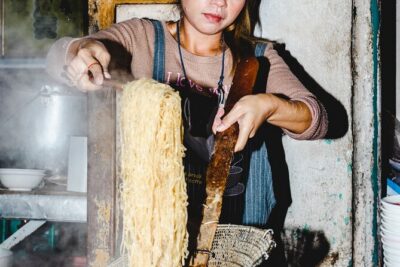
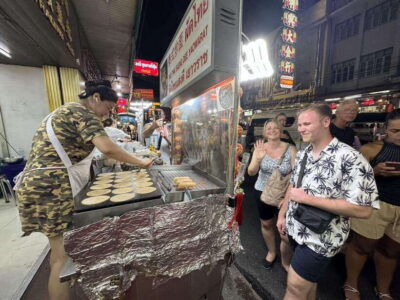
Bangkok Chinatown is at its best after sunset, when Yaowarat Road and the side lanes fill with food stalls, shopfront kitchens, and the smell of hot dough, grilled meat, garlic, and spices. This 150-minute walking tour gives you a useful way into that maze, with six tasting stops and an English-speaking guide to explain what you are eating.
I like two things here. First, the route is built around local Thai-Chinese food rather than a generic restaurant meal. Second, guides such as Sophie add context about Bangkok, Chinatown, and the dishes, so you are not just eating at random stalls. The main consideration is dietary: this tour is not suitable for vegans, people with gluten intolerance, or anyone with allergies to shrimp, peanuts, pork, or dairy.
In This Review
- Six useful things to know before you book
- Starting at Wat Mangkon MRT Exit 3
- The first walk through Bangkok’s Chinese quarter
- What the six food stops can offer
- Savory dumplings and small bites
- Thai-Chinese best sellers
- The homemade specialty
- Sweet pastries
- Learning Bangkok through food
- A nighttime walk with real trade-offs
- Hygiene, comfort, and sensible expectations
- Is $49 a fair price?
- Who should book this Chinatown food walk?
- My call: book it for access, not just dinner
- FAQ
- Where does the Bangkok Chinatown food tour meet?
- How long does the tour last?
- Where does the tour finish?
- How many food stops are included?
- What language is the tour conducted in?
- Are drinks included?
- Can I join if I am vegan or have a food allergy?
- Can I cancel the booking?
Six useful things to know before you book
- Six tasting stops: You sample several dishes instead of spending the whole evening on one plate.
- Thai-Chinese cooking: Expect local best sellers, dumplings, pastries, and other Chinatown specialties.
- Nighttime Yaowarat: The route takes place after dark, when Chinatown’s food trade is at full speed.
- English-speaking guide: Sophie has led some departures, explaining food, Bangkok, and neighborhood history.
- Wat Mangkon meeting point: Meet outside MRT Wat Mangkon at Exit 3, and avoid a taxi in this traffic-heavy area.
- Strict food limits: Vegetarian, vegan, gluten-free, allergy-sensitive, and dairy-free diners should not book this experience.
Starting at Wat Mangkon MRT Exit 3
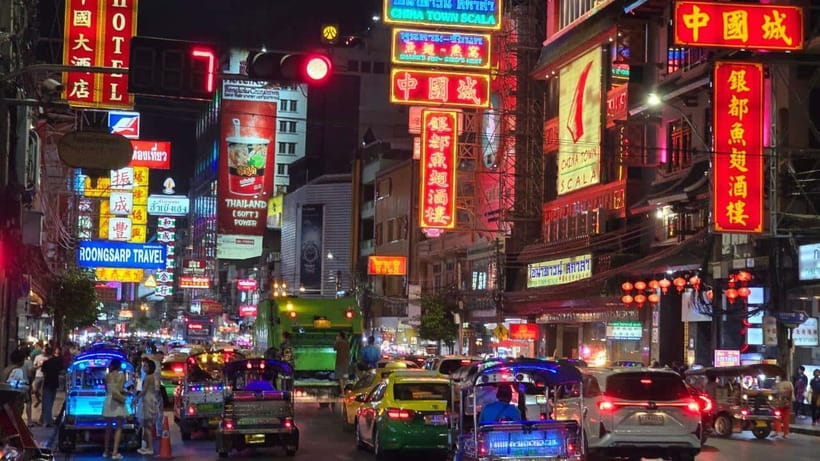
The tour begins outside Wat Mangkon MRT station at Exit 3, at 449 Charoen Krung Road. This is a sensible meeting point because Chinatown traffic can be slow and unpredictable, especially at night. I would use Bangkok’s MRT rather than trying to have a taxi drop you near the food streets.
Arrive with comfortable shoes. You will spend the evening walking through crowded streets and narrow lanes, and the ground may not always feel smooth or spacious. The activity is not suitable for wheelchair users, people with mobility impairments, or people with claustrophobia.
The meeting point also places you close to the Chinese quarter before the tasting begins. That matters because this is not a food hall with a neat entrance and numbered tables. You start in a working part of Bangkok, where shops, shrines, kitchens, and pavement stalls share the same tight streets.
Your guide leads in English. The group size can vary, and some departures have been private or nearly private. Sophie has guided several highly praised outings, with particular attention to food and local history. A small group makes it easier to ask questions and keep up when the pavement gets busy.
More street food tours in Bangkok:
- Bangkok: Backstreets Food Tour with 15+ Tastings
★ 4.9 · 2,880 reviews - Bangkok Backstreets Food Tour with 15+ Tastings
★ 5.0 · 1,926 reviews - Bangkok: Michelin Guide Street Food Tour by Tuk Tuk
★ 4.4 · 1,274 reviews
The first walk through Bangkok’s Chinese quarter
The opening section is as much about orientation as food. Your guide takes you through Chinatown, pointing out the character of the area and explaining how its food traditions fit into Bangkok life. You may pass from a wide road into a narrow side lane within a few minutes, which is part of the appeal and part of the challenge.
This setting gives the food more meaning. Thai-Chinese cooking is not presented as a museum display. It is part of an active neighborhood, served in small eateries, market stalls, and family-run food counters. The tour’s value comes from helping you understand what is popular locally and how to approach dishes that might otherwise be hard to identify.
Do not expect a sit-down meal with long pauses between courses. This is a street crawl. You stop, taste, listen, and move on. That pace lets you try more foods in a short period, though it also means you should keep your belongings close and pay attention to where you are walking.
Electronic devices are listed as not allowed, so check the operator’s instructions carefully before setting out. The supplied information also says alcohol and drugs are not allowed, and you should not go barefoot. These rules are unusual enough that I would confirm how the electronic-device rule is applied before booking if you need your phone for navigation or photos.
What the six food stops can offer
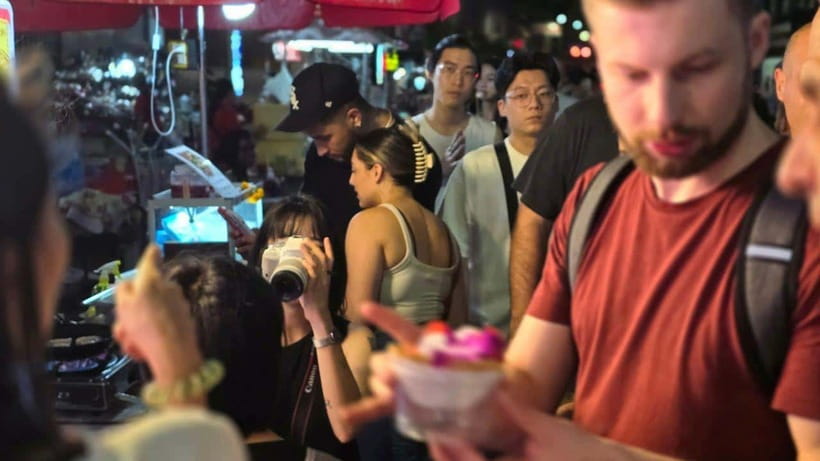
The exact menu can change with the season and public holidays. The advertised route includes six different places for food tastings, with local best-selling Thai-Chinese dishes, savory dumplings, sweet pastries, and a highlighted homemade menu made with a secret ingredient.
That variety is the central reason to choose this tour. Instead of asking you to order a large plate of one unfamiliar dish, the guide can introduce several flavors in smaller portions. You get a broader taste of Chinatown and a better sense of which foods you want to seek out later.
Savory dumplings and small bites
The savory stops are likely to be the backbone of the route. Dumplings and similar small foods are well suited to a walking tour because they are easy to share and sample without a full table setting. Your guide can explain the dish as it arrives, which is useful when a filling, sauce, or cooking method is unfamiliar.
The practical drawback is that the information does not name every dish in advance. If you are choosing this tour because you want one specific food, you may be disappointed if that item is unavailable. The operator warns that some menus disappear during public holidays or when a season ends.
More food and drink tours in Bangkok:
- Bangkok: White Orchid Chao Phraya Dinner Cruise free Beer
★ 4.4 · 4,573 reviews - Bangkok by Night: Temples, Markets and Food Tuk-Tuk Tour
★ 5.0 · 3,752 reviews - Bangkok Midnight Food Tuk Tuk Tour
★ 5.0 · 2,542 reviews - Old Siam Bangkok Food Tour with 15+ Tastings
★ 5.0 · 867 reviews
Thai-Chinese best sellers
The tour focuses on dishes described as local best sellers. That gives you a starting point based on what sells in the neighborhood, rather than a list shaped only for tourists. You should still keep your expectations flexible because street food menus change with supply, weather, holidays, and the individual stop.
This part of the tour is valuable for first-time visitors. Chinatown can offer too many choices at once, and a guide helps you spend your limited evening on foods with a local following. You can also ask how the dish fits into Thai-Chinese food culture rather than simply guessing from a menu.
The homemade specialty
One stop features a highlighted homemade menu with a secret ingredient. The supplied details do not identify the dish or reveal the ingredient, so I would treat this as a small surprise rather than a guaranteed signature plate.
That uncertainty is part of the fun, but it is also why people with allergies need to avoid the tour. You cannot safely rely on a secret ingredient when shrimp, peanuts, pork, dairy, or other common components may be a problem. The operator specifically advises against booking if you have food allergies or serious dietary restrictions.
Sweet pastries
The route also includes sweet pastries. This gives the tasting a useful change of pace after savory foods, and it reflects the Chinese influence in the neighborhood’s food culture. Pastries are often an easy way to finish a tasting, although the exact selection may vary by season.
You should think of the six stops as a sequence of samples, not six full meals. The tour is designed to expose you to different foods. If you arrive very hungry, the portions may not be enough for dinner on their own, and you may want to eat more afterward.
Learning Bangkok through food
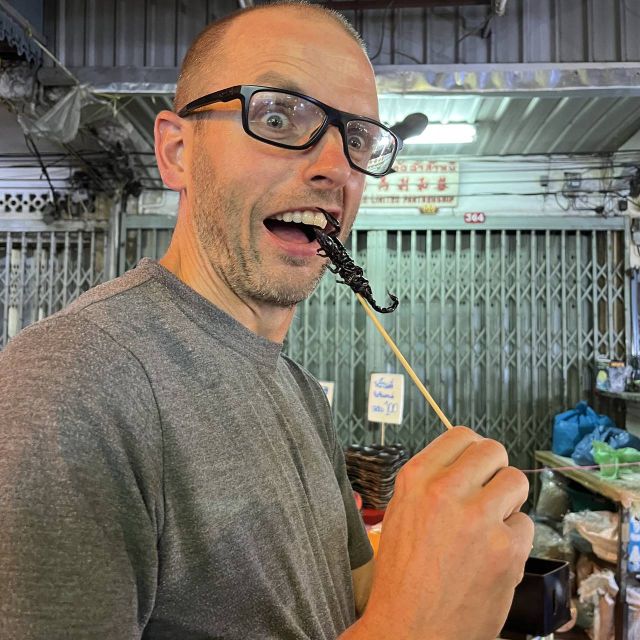
The guide’s explanation is one of the strongest parts of the experience. The tour includes the history and culture behind the dishes, plus background about Bangkok and Chinatown. Sophie in particular has been praised for explaining both the food and the neighborhood in an engaging way.
I like this approach because food can make a place easier to understand. Chinatown’s streets are not just a backdrop for eating. They show how communities, commerce, migration, and family cooking traditions shape a district over time. A short explanation at the right stall can turn an unfamiliar snack into something you recognize and remember.
The guide also helps with the social side of street food. You learn which dishes are popular and how the stops fit together. That is more useful than receiving a long lecture about ingredients. The best questions to ask are simple ones: Is this eaten as a snack or a meal? Is it sweet, salty, spicy, or sour? Is there a local way to eat it?
The tour is conducted in English. If you want a detailed food lesson, ask questions as you go. The experience is short enough that your guide may need to keep the route moving, especially when stops are crowded.
A nighttime walk with real trade-offs
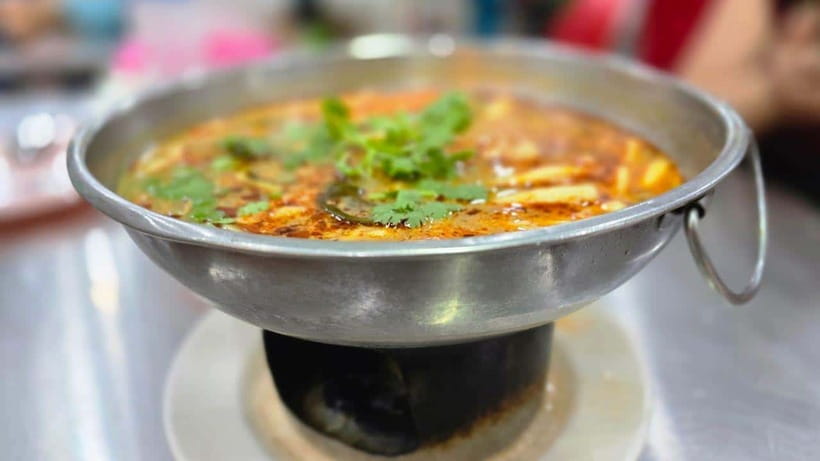
Chinatown at night has energy, noise, and plenty of people. That makes the setting exciting, but it is not polished or quiet. You may need to step aside for pedestrians, avoid traffic, and wait briefly while food is prepared.
People with claustrophobia may find the narrow lanes uncomfortable. The activity is also unsuitable for people with visual impairments, according to the operator’s restrictions. I would not choose it if you need frequent seated breaks or a slow, open route.
On the other hand, the walking distance helps connect the food to the neighborhood. You are not being driven between isolated restaurants. You move through the same streets where local residents shop and eat, which gives the evening a stronger sense of place.
The tour finishes at 491 to 493 Yaowarat Road in Samphanthawong. The supplied schedule describes Chinatown sightseeing as three hours, while the activity duration is listed as 150 minutes. I would plan around the confirmed booking duration of 150 minutes and allow extra time for getting to or from the finish.
Hygiene, comfort, and sensible expectations
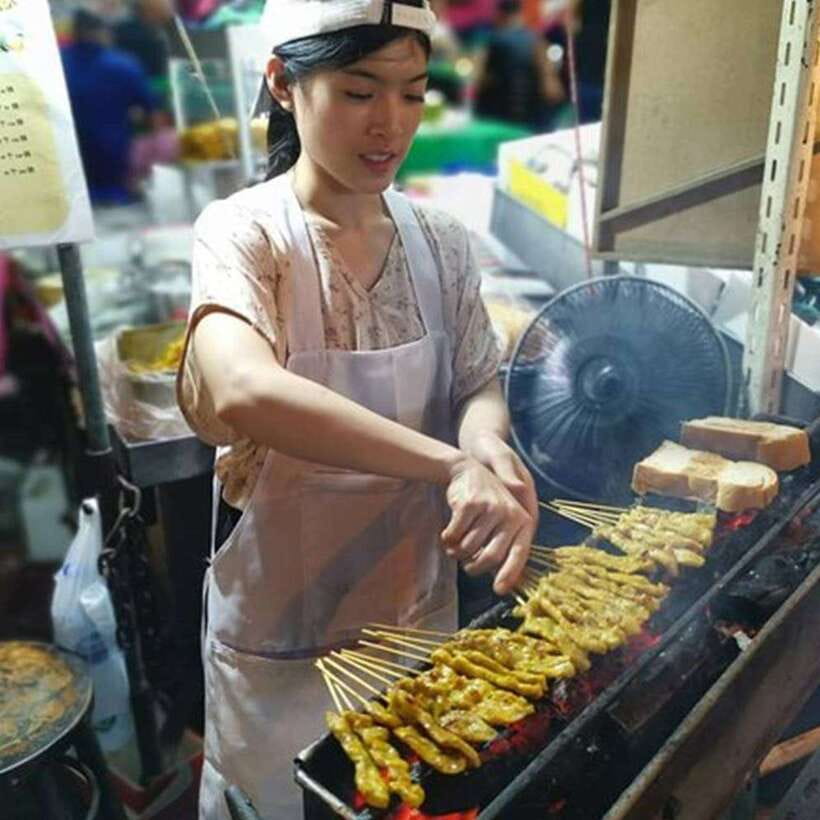
One serious point deserves attention. A poor experience raised a concern about basic food-handling hygiene, including a guide touching salad directly with bare hands while helping assemble a plate. This appears to be an isolated criticism among otherwise strong feedback, but it is still relevant.
Street food standards can vary from stop to stop. I would watch how food is handled, use hand sanitizer, and speak up politely if you have a concern. If you are highly sensitive to food preparation practices, a guided street-food route may not be the right format for you.
The strongest pattern is the guide quality. Gunnar described the experience as a highlight of a Bangkok stay, with a guide who explained the area’s history. Scott called Sophie’s departure a VIP-style experience, and another small group with Sophie valued the explanations about Thailand, Bangkok, food, and history.
Those details suggest that the guide can make a major difference. The food is important, but the route depends on clear explanations, good timing, and help choosing what to try. Since guide assignment can vary, Sophie should not be treated as guaranteed unless your booking confirms her name.
Is $49 a fair price?
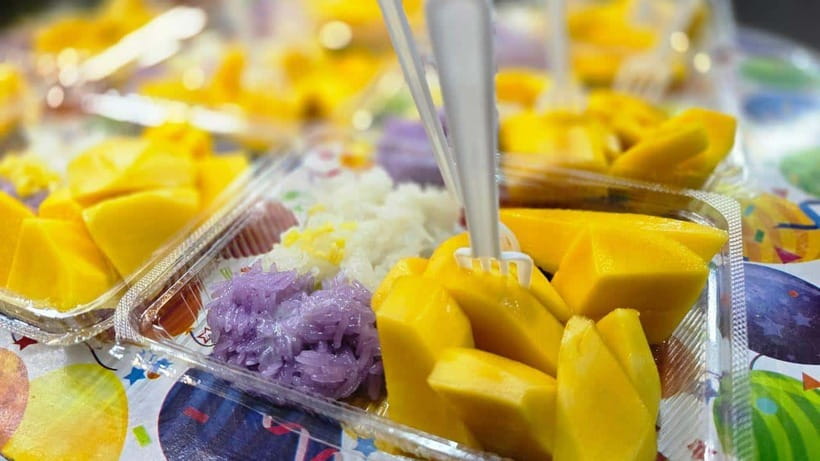
At $49 per person, this is not the cheapest way to eat in Chinatown. You could buy individual street-food portions for much less if you already know where to go, what to order, and how to judge the menu.
The price becomes easier to justify if you are new to Bangkok or short on time. It includes a guide and tastings at six places, plus the local context that is difficult to arrange on your own in one evening. You are paying for selection, interpretation, and a planned route through a confusing food district.
Value also depends on your appetite. The tour includes food tastings rather than a promised full dinner, and alcohol is not included. If you want a large meal and drinks, you may spend more after the tour.
For two people, the cost is $98 before anything extra. I would book it for the first or second night of a Bangkok stay, then return to the foods you liked best on your own. That gives you both a guided introduction and the freedom to explore later.
Who should book this Chinatown food walk?
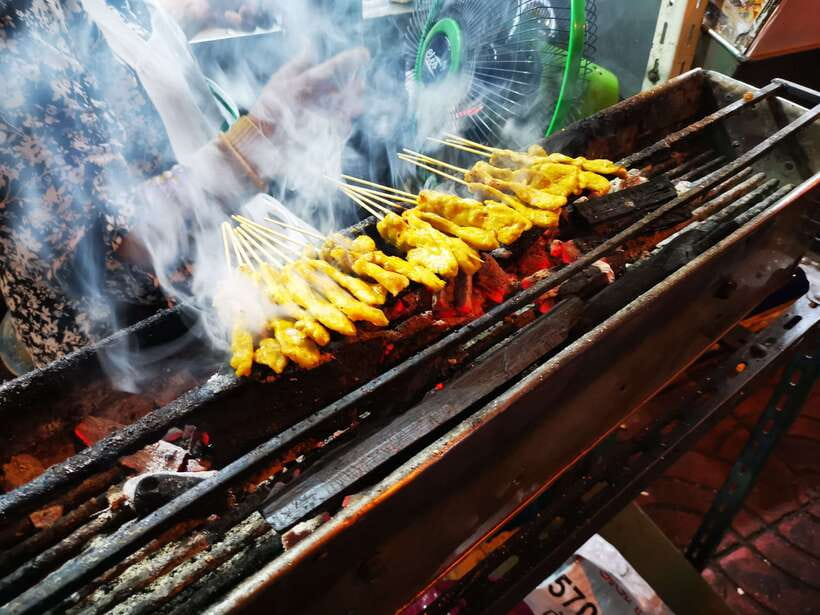
I would recommend it most strongly to first-time Bangkok visitors who want a focused introduction to Chinatown without spending hours studying food guides. It also suits curious eaters who enjoy trying several small portions and asking questions while walking.
It is a good match if you like:
- Thai-Chinese food and changing menus
- Short walking tours with several tasting stops
- Local history explained in plain English
- Night markets and busy city streets
- Small-group or private-style guiding when available
I would not book it if you are vegan, vegetarian, gluten-free, allergic to shrimp, peanuts, pork, or dairy, or if you need a wheelchair-accessible route. The operator also lists the activity as unsuitable for people with food allergies, gluten intolerance, visual impairments, mobility impairments, and claustrophobia.
You should also skip it if you want a quiet restaurant meal. The pleasure here comes from movement, noise, narrow lanes, and food served in the middle of an active district.
My call: book it for access, not just dinner
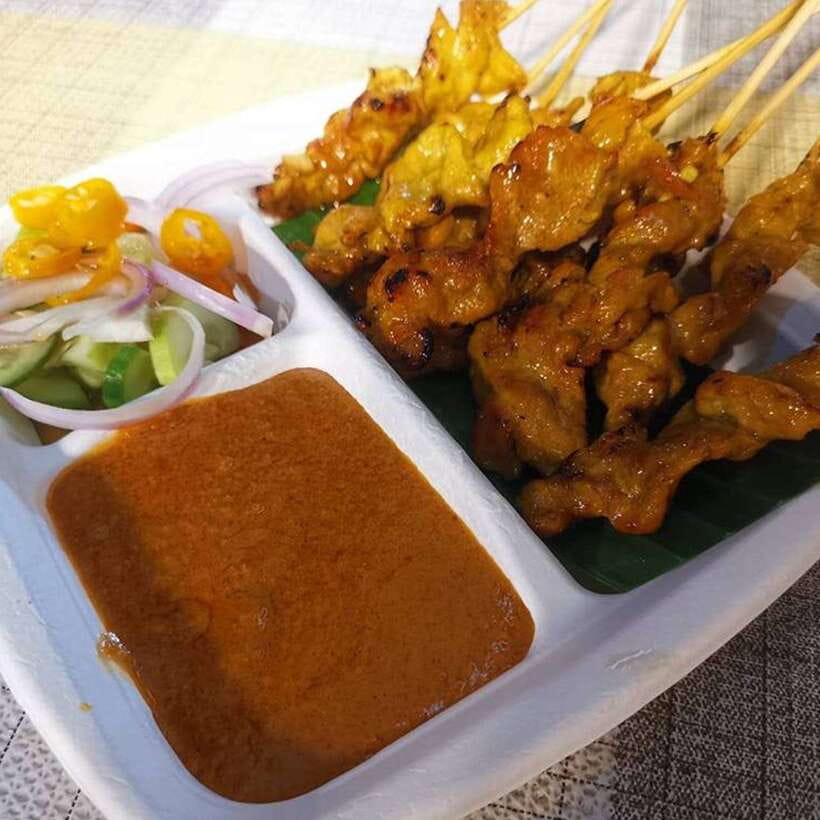
Book this tour if you want help making sense of Bangkok Chinatown at night. The six-stop format gives you range, the Thai-Chinese focus keeps the food tied to the neighborhood, and guides such as Sophie add useful background about Bangkok and its cooking traditions.
The decision is less clear if you are an experienced Bangkok eater. You may find better value by choosing stalls yourself, especially if you want full portions rather than samples. Still, the route can save time and remove the guesswork on a first visit.
My practical advice is simple: take the MRT to Wat Mangkon, wear shoes you can walk in, arrive ready for small portions, and keep your menu expectations flexible. If your diet allows the food and you enjoy an active night out, $49 is a reasonable price for a guided introduction to Chinatown’s street-food culture.
FAQ
Where does the Bangkok Chinatown food tour meet?
The meeting point is outside Wat Mangkon MRT station at Exit 3, at 449 Charoen Krung Road.
How long does the tour last?
The activity duration is listed as 150 minutes. The schedule also describes Chinatown sightseeing as three hours, so check the confirmed start and finish details when booking.
Where does the tour finish?
The tour finishes at 491 to 493 Yaowarat Road, Samphanthawong, Bangkok.
How many food stops are included?
The tour includes tastings at six different food places. Some past departures included seven or eight food stations, so the exact number may vary.
What language is the tour conducted in?
The live tour guide speaks English.
Are drinks included?
Alcoholic beverages are not included. The supplied information does not promise other drinks.
Can I join if I am vegan or have a food allergy?
No. The activity is listed as unsuitable for vegans, people with food allergies, gluten intolerance, nut allergies, and several other dietary restrictions. Specific concerns include shrimp, peanuts, pork, dairy, and gluten.
Can I cancel the booking?
You can cancel up to 24 hours in advance for a full refund. A reserve-now, pay-later option is also available.
More Evening Outings in Bangkok
- Bangkok:The Planet Sunset&Dinner Cruise on Chao Phraya River
★ 4.3 · 812 reviews - Bangkok: Night Bike Tour with Temples & Flower Market Visit
★ 4.8 · 751 reviews - Bangkok: Evening Tour with Wat Arun, Wat Pho & Tuk Tuk Ride
★ 4.6 · 701 reviews - Bangkok by Night Food Tour with 10+ Tastings in Chinatown
★ 5.0 · 545 reviews
More Food Tours in Bangkok
- Bangkok Authentic Tasting Thai-Chinatown Walking Food Tour
★ 4.9 · 852 reviews - Bangkok: Tuk Tuk Adventure Chinatown Michelin Food & Temples
★ 4.3 · 725 reviews - Bangkok Tuk-Tuk Tour by Night with Chinatown Street Food Meal
★ 5.0 · 635 reviews - Bangkok: Must-Try Hidden Bike & Food Experience
★ 4.9 · 613 reviews
Just added around Bangkok
- Yoga in the Park Thailand★ 5.0 · 12 reviews
- Bangkok and Ayutthaya 3 Days★ 4.5 · 12 reviews
- Private Tour: Damnoen Saduak Floating Market and Bangkok City Temples★ 5.0 · 12 reviews
- Chinatown (Yaowarat Road) Neon Photoshoot★ 5.0 · 12 reviews
- Ayutthaya Day Tour By Coach and Cruise★ 4.0 · 12 reviews
- Bangkok Suvarnabhumi Airport: VIP Meet & Greet Service (Fasttrack)★ 3.5 · 12 reviews
- Bangkok: Wow Park Interactive Amusement & Science Park★ 4.5 · 12 reviews
- Afternoon Ayutthaya & Ancient Temples at UNESCO site By Road★ 4.5 · 12 reviews
Bangkok Street Food Tours, compared.
Bangkok Backstreets Food Tour with 15+ Tastings
Read our review →
Bangkok Authentic Tasting Thai-Chinatown Walking Food Tour
Read our review →
Tuk Tuk Adventure Chinatown Michelin Food & Temples
Read our review →
Bangkok Tuk-Tuk Tour by Night with Chinatown Street Food Meal
Read our review →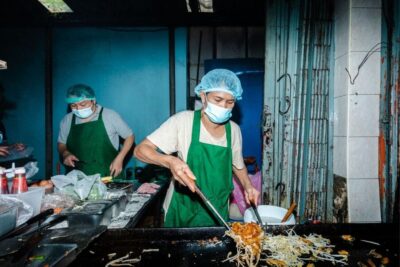
Browse the lists this tour appears in