
Reviewed · GRAND PALACE & TEMPLE TOURS
Bangkok Shadows: Ghosts, Haunted Temples & Dark Secrets
Bangkok’s temples are usually sold as places of gold, incense, and calm. This tour takes you to the other side of the city, where plague victims, condemned prisoners, cremation grounds, and restless spirits shape the story. You walk from Golden Mount toward the Giant Swing, listening to tales that connect Thai beliefs with real places and grim events.
I like the way the tour uses ordinary streets and alleys rather than treating Bangkok as a theme-park ghost town. I also like the local dinner, which gives the evening a practical and tasty break. The main drawback is that Bangkok can be noisy, bright, and crowded after dark, so the spooky mood will not always arrive on cue.
In This Review
- Key points to know before you book
- Bangkok after dark, with the lights turned down
- Wat Saket and the Golden Mount’s plague stories
- Dinner at a local restaurant
- Phi Rong tradition and the food of the dead
- Samranrat’s Ghost Gate
- Romaneenart Park and the old prison
- Wat Thepsirin, cremation, and the outcast dead
- The Giant Swing and Wat Suthat
- What the $79 price really covers
- Practical details that affect the evening
- Who will enjoy Bangkok Shadows
- Should you book this tour?
- FAQ
- Where does the tour begin?
- How long does Bangkok Shadows last?
- What places do you visit?
- Is dinner included?
- What languages are available?
- Can I cancel or change my booking?
Key points to know before you book
- Wat Saket sets the dark tone: Golden Mount is linked here with plague victims and stories of cries in the shadows.
- Jeed brings the history to life: He guides in English and Thai, with a friendly, enthusiastic style and strong knowledge of Thai food, culture, and the past.
- Dinner is part of the experience: You eat at a local restaurant, not simply stop for a packaged snack.
- The ghost gate has a grim purpose: Samranrat was once described as Bangkok’s only exit for the dead.
- The route links several difficult subjects: Prison punishment, executions, cremation, criminal outcasts, and spirit offerings all appear along the way.
- This is a walking story tour, not a special-effects scare show: Traffic, street noise, lights, and city activity may soften the horror.
Bangkok after dark, with the lights turned down
The tour begins at Romsai Coffee near Golden Mount. This is a useful meeting point because you start close to Wat Saket, the first major stop, rather than wasting the short evening on a long vehicle transfer. Your guide waits at the coffee shop, so arrive with enough time to find it before the group moves on.
The experience lasts three hours and is offered as a private group tour. That matters here. Dark stories work better when your guide can adjust the pace, explain unfamiliar Thai beliefs, and answer questions without trying to compete with a large crowd.
Jeed is the named guide connected with this experience. His style is friendly and energetic. He explains history, food, and culture, not just ghost tales. English is used alongside Thai, and the English is generally clear, though you will need to pay close attention in loud areas.
That last point is important. Bangkok does not lower its volume for a ghost story. Cars, motorbikes, pedestrians, music, and temple activity can make parts of the narration hard to catch. If you want every detail, stay close to the guide and ask him to repeat anything lost to traffic.
More Grand Palace and temple tours:
- From Bangkok: Ayutthaya Temples Guided Tour with Lunch
★ 4.7 · 10,535 reviews - Bangkok: City Highlights Temple and Market Walking Tour
★ 4.5 · 3,990 reviews - Bangkok by Night: Temples, Markets and Food Tuk-Tuk Tour
★ 5.0 · 3,752 reviews
Wat Saket and the Golden Mount’s plague stories
Wat Saket, better known to many visitors through its Golden Mount, opens the tour with one of Bangkok’s most familiar religious sights in a darker mood. The temple is presented through stories of plague victims, death, and cries said to linger in the shadows.
The value here is not simply the chance to call a famous temple haunted. It is the contrast between the peaceful religious setting and the hard realities that shaped old Bangkok. A temple can be a place of prayer, but it can also sit close to memories of illness, funeral rites, and fear.
You should listen for the difference between documented history, local belief, and storytelling. The guide blends these strands rather than offering a lecture with footnotes. That makes the evening more entertaining, but it also means the ghostly parts are best taken as legend and cultural tradition, not proof of the supernatural.
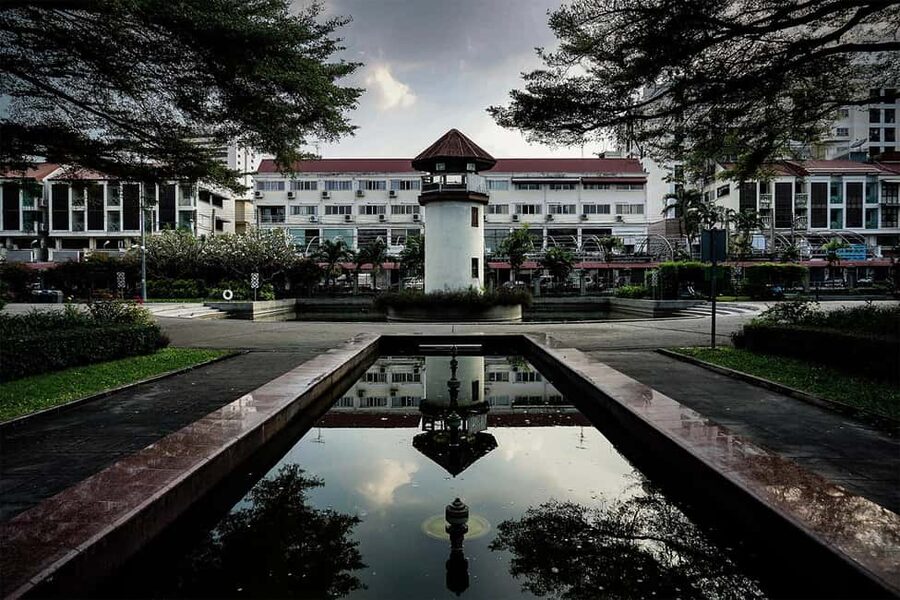
Golden Mount is also a good place to get your bearings. From here, the route moves through central Bangkok on foot, shifting from a major temple to less obvious streets and historical corners. Wear shoes that can handle several hours of walking and uneven city surfaces.
Dinner at a local restaurant
Food is not an afterthought on this tour. After Wat Saket, you stop at a local restaurant for a traditional Thai meal. The exact dishes are not specified, so you should not book expecting a named menu or a particular level of spice. Still, dinner adds real value to the evening.
A local restaurant gives you a break from standing and walking, and it lets the guide explain another part of Thai culture. Food, offerings, temples, family duty, and respect for the dead are not separate subjects here. They sit close together in daily life.
The meal also makes the tour feel less like a string of spooky stops. You get time to talk, eat, and reset before the route returns to prisons, gates, cremation grounds, and ghost stories. Bring a little cash for personal needs, since the included dinner does not cover every possible purchase.
Phi Rong tradition and the food of the dead
One of the most interesting parts of the experience is the temple tradition described at Phi Rong. Locals gather to leave food, flowers, and incense for spirits and ancestors. These offerings are meant to honor and nourish the departed, creating a link between family life and the unseen world.
The route identifies the temple stop as Dev Mandir Temple Hindu Samaj Bangkok, while the experience also describes the Phi Rong tradition. The supplied information does not make the exact relationship between those names clear, so confirm the precise stop with the operator if that detail matters to you.
Either way, the cultural point is strong. You are not being shown a haunted building for a cheap fright. You are seeing how acts of respect toward the dead can remain part of religious and family customs. That gives the ghost stories a human center.
Please behave carefully at this stop. Keep voices low, follow the guide’s instructions, and do not treat offerings as props. Photography is allowed as something to bring along, but the activity details do not promise that every ritual or sacred area can be photographed.
Same city, a completely different afternoon:
- Bangkok: Damnoen Saduak Market and Maeklong Railway Market
★ 4.5 · 26,723 reviews - The Old Siam: Damnoen Saduak and Maeklong Railway Market
★ 4.5 · 10,992 reviews - Bangkok: Train Market & Floating Market with Boat Ride
★ 4.7 · 9,547 reviews - From Bangkok: Ayutthaya & Ayothaya Floating Market Day Trip
★ 4.7 · 6,084 reviews
Samranrat’s Ghost Gate
Samranrat is presented as the historic Ghost Gate, once the only exit for the dead in Bangkok. The image is unsettling because it turns an ordinary passage through the city into a boundary between the living and the dead.
This is where the tour’s method works best. Instead of taking you to a remote ruin, the guide points out how grim history can sit in the middle of a working city. You may be passing shops, traffic, and everyday Bangkok life while hearing about bodies being carried through the gate.
Do not expect a locked gate, a theatrical set, or a sudden scare. The power comes from the idea attached to the place. If you enjoy historical storytelling, this stop may stay with you longer than a staged haunted attraction.
Romaneenart Park and the old prison
The route then reaches Suan Rommaneenart, also called Romaneenart Park. This was once a site of punishment, imprisonment, and executions. The tour frames the park as a place where screams still echo, linking its present public setting with its former use.
That contrast can be striking. A park sounds open and harmless, but the story beneath it is severe. You are asked to imagine the fear held by prisoners and condemned people, not just to picture an invisible ghost.
The prison section is also one reason this tour may appeal to people who like crime history. The focus is not only on spirits. It includes the systems that produced them: punishment, confinement, public fear, and death. The guide’s role is especially useful here because a short stop cannot explain every part of Bangkok’s justice system.
The mood may vary. One evening can feel hushed; another can be filled with cars, people, and bright lights. A past prison site does not automatically feel frightening in a modern city. Go for the story and setting rather than expecting a constant horror atmosphere.
Wat Thepsirin, cremation, and the outcast dead
Wat Thepsirin adds another difficult chapter. It was once the main crematorium for criminals, outcasts, and people considered disgraced. That detail gives the tour a sharper edge because it shows how social judgment followed people even after death.
You will find the strongest material here in the questions the place raises. Who received an honored funeral? Who was pushed aside? How did religion, reputation, and punishment overlap? The guide uses the temple and its past to explore those ideas through local stories.
This stop may be uncomfortable, and that is part of its value. Bangkok’s dark past is not just a collection of amusing ghost tales. It includes people who were sick, imprisoned, executed, rejected, or forgotten. A good guide keeps that human cost in view.
The route’s references to pret and lost souls also connect the history to Thai spiritual belief. Pret are traditionally understood as suffering spirits, often linked with unfulfilled needs or wrongdoing. The exact telling may depend on the guide, but the theme is clear: the dead remain part of the moral world of the living.
The Giant Swing and Wat Suthat
The final section brings you to the Giant Swing and Wat Suthat, ending at 146 Thanon Bamrung Mueang. These are major central Bangkok landmarks, but the tour presents them through rituals, accidents, and local legends rather than the usual daytime sightseeing script.
The Giant Swing is especially effective as a final image. Its shape is unmistakable, and its past associations give the stop a dramatic finish. Wat Suthat adds the religious setting, bringing the route back to temples after its passage through gates, prison grounds, and cremation history.
This is also where you may notice the tour’s limits. The Giant Swing area is urban, active, and well lit. You may hear a compelling account of spirits and accidents while standing beside traffic and ordinary city life. Some people will find that contrast fascinating. Others will feel it weakens the fright.
The end point is central enough to make onward plans simple, but no transport after the tour is included in the information provided. Check your route before you set off, especially if you plan to return to a hotel across the river or outside central Bangkok.
What the $79 price really covers
At $79 per person, this is not the cheapest way to take an evening walk through Bangkok. The price makes more sense if you value a private group, a live guide, dinner, structured storytelling, and mandatory insurance in one booking.
You are paying for interpretation. You could visit several of these areas independently, but you would not automatically know how they connect, where the darker stories fit, or how Thai offerings and beliefs relate to the sites. The guide turns separate locations into one three-hour narrative.
The private format is another part of the value. If your group wants to ask questions about Thai food, religion, crime, or folklore, you have more room to do so than on a large public walk. Jeed’s enthusiasm and cultural explanations add to that benefit.
The price is less attractive if you mainly want a frightening spectacle. There are no claims of actors, special effects, staged surprises, or paranormal proof. Bangkok’s noise and light can also reduce the horror mood. Think of this as a dark history and folklore tour with dinner, not a haunted-house attraction.
Practical details that affect the evening
Meet at Romsai Coffee. Bangkok traffic can delay you, and there are no refunds or reschedules for late arrival or a no-show, so allow extra time. The booking terms allow free cancellation up to 24 hours before the activity, and you can reserve now and pay later.
Wear comfortable clothes and shoes. You will be walking through central streets and alleys for three hours, and the tour is not suitable for wheelchair users or people with mobility impairments.
Bring a phone or camera, but use it with respect around temples and offerings. Carry some cash for personal needs. Large bags and luggage are not allowed, and alcohol and drugs are forbidden.
Food and drinks are included, but the available details do not specify dietary options. If you have allergies or strict food requirements, ask before booking rather than assuming the local dinner can be changed.
The tour runs with a live guide in English or Thai. If English is not your first language, stay near the guide in noisy sections. One part of the experience is that the city remains active around you, but that same city noise can make a soft-spoken explanation difficult to hear.
Who will enjoy Bangkok Shadows
I would choose this tour if you like history with a supernatural edge. It suits people who want to understand how Bangkok’s temples, prisons, cremation sites, and family traditions connect, while still enjoying a relaxed meal.
It is also a good fit for repeat visitors. If you have already seen Bangkok’s headline temples by day, this route gives familiar areas a different frame. You walk through places you might otherwise pass without understanding their darker associations.
Families with older teenagers may enjoy it, though the subjects include executions, plague, cremation, and condemned prisoners. Younger children or anyone uneasy with death stories may find the evening too grim.
You should think twice if you need a strong scare at every stop, dislike walking, or struggle to follow spoken English in traffic. The city is not silent, and the experience depends heavily on the guide’s storytelling.
Should you book this tour?
Book it if you want a private, guide-led look at Bangkok’s darker history, with dinner and real cultural context. Jeed’s friendly approach, the food stop, and the links between spirits and Thai traditions are the strongest reasons to go.
Skip it if you want a polished horror show or a quiet night walk. The best way to approach Bangkok Shadows is with curiosity, comfortable shoes, and a willingness to let history do most of the frightening.
FAQ
Where does the tour begin?
The tour begins at Romsai Coffee near Golden Mount. The guide will be waiting there.
How long does Bangkok Shadows last?
The experience lasts three hours.
What places do you visit?
The route includes Wat Saket, a local restaurant, Samranrat, Romaneenart Park, Dev Mandir Temple Hindu Samaj Bangkok, Wat Suthat, and the Giant Swing. It finishes at 146 Thanon Bamrung Mueang.
Is dinner included?
Yes. Dinner and drinks are included as part of the experience. The meal is served at a local restaurant, but specific dishes are not listed.
What languages are available?
The live tour guide can conduct the experience in English or Thai. Jeed is the named guide, and another colleague may also assist.
Can I cancel or change my booking?
You can cancel up to 24 hours in advance for a full refund. No refund or rescheduling is available for a late arrival or no-show, and Bangkok traffic may delay your journey to the meeting point.
Just added around Bangkok
- Bangkok: Fallabella River Front Iconsiam★ 4.7 · 3 reviews
- Private Grand Palace Bangkok City Tour & Klong Longtail Boat Trip★ 4.5 · 3 reviews
- Bangkok: Divana Scentuara Spa Chidlom Branch E-Voucher★ 5.0 · 3 reviews
- Bangkok: Flower Market & Sunset Walking Tour★ 3.7 · 3 reviews
- Private Shore Excursion: Best of Bangkok in a day★ 3.5 · 3 reviews
- From Bangkok: Kanchanaburi, River Kwai and Erawan Waterfall Tour★ 3.0 · 3 reviews
- Private Damnoen Saduak and Maeklong Railway Market Tour(min 2pax)★ 5.0 · 3 reviews
- Damnoen Saduak Famous Floating Market and Mea Klong Railway Tour★ 5.0 · 3 reviews
Grand Palace & Temple Tours, compared.
City Highlights Temple and Market Walking Tour
Read our review →
Bangkok by Night: Temples, Markets and Food Tuk-Tuk Tour
Read our review →
Grand Palace, Wat Pho, and Wat Arun Guided Tour
Read our review →
Grand Palace and Wat Phra Kaew Guided Walking Tour
Read our review →
Grand Palace, Wat Pho, Wat Arun Sacred & Local Tour
Read our review →
Browse the lists this tour appears in