
Reviewed · BANGKOK
Bangkok: Must things to see in China town, Small group
Bangkok’s Chinatown is best understood on foot, and this small-group walk takes you beyond the main food streets. You’ll pass colorful lanes, old Chinese temples, local homes, street art, Sampeng Market, and a viewpoint that is easy to miss without a guide. The tour also brings you into contact with the people who give this district its character.
I like the mix of history and daily life, rather than a simple parade of photo stops. I also like the food plan: snacks, coffee, and a local lunch are included, so the $41 price covers more than guiding. The main consideration is the walking. You cover about 4 kilometers in three and a half hours, with steep stairs at one temple.
In This Review
- Key points at a glance
- Starting at MRT Hualampong and Tang Hua Pug Building
- Why Chinatown works better with a guide
- Colorful alleys, street art, and overlooked corners
- The Chinese temple and its steep stairs
- Sampeng Market and the working side of Chinatown
- Food, coffee, and a local lunch
- Stories of Thai Chinese life
- Pace, comfort, and what to wear
- The $41 price and who gets the most value
- Should you book this Chinatown walk?
- FAQ
- How long does the Bangkok Chinatown tour last?
- How far will I walk?
- Where does the tour meet?
- Which languages are available?
- What food and drinks are included?
- Is the tour suitable for wheelchair users?
- What should I wear for the temple visit?
- Can I cancel the booking?
Key points at a glance
- More than 15 Chinatown stops: Expect temples, alleys, art, market lanes, traditional houses, and scenic views.
- A local food window: Snacks, coffee, and lunch at a local restaurant are included.
- Sampeng Market: Walk through one of Bangkok’s oldest open markets and its narrow shopping lanes.
- A small-group pace: The format allows time for questions, local conversations, and regular rest stops.
- Flat walking with one steep section: Most of the route is easy, but the Chinese temple stairs require care.
- Simple meeting point: Meet at MRT Hualampong Exit 1 and look for a guide wearing an Eatwalktalktour shirt.
Starting at MRT Hualampong and Tang Hua Pug Building
The practical start is MRT Hualampong Exit 1. Your guide wears an Eatwalktalktour shirt, which should make the meeting easier in a busy area. The starting location is listed as Tang Hua Pug Building, and the walk ends back at the meeting point, so you do not need to arrange a separate ride from the finish.
That return to the same place is useful if you are fitting the tour between other Bangkok plans. You can leave your larger sightseeing schedule open and continue by MRT afterward. Hotel pickup and drop-off are not included, so allow time to reach the station on your own.
The tour lasts 3.5 hours. That is long enough to give Chinatown some context without taking up a full day. The route covers roughly 4 kilometers, or about 2 miles. Most of it is flat, though the temple visit includes steep stairs. Comfortable shoes matter, but easy-on-and-off footwear is especially handy because temples may require you to remove your shoes.
Other Bangkok outings people book alongside this one:
- Bangkok: Damnoen Saduak Market and Maeklong Railway Market
★ 4.5 · 26,723 reviews - The Old Siam: Damnoen Saduak and Maeklong Railway Market
★ 4.5 · 10,992 reviews - From Bangkok: Ayutthaya Temples Guided Tour with Lunch
★ 4.7 · 10,535 reviews
Why Chinatown works better with a guide
Bangkok’s Chinatown can feel confusing at first. Major roads give way to narrow lanes, small shrines, markets, food stalls, workshops, and old houses. A map can get you from one main street to another, but it cannot easily explain how Thai Chinese customs, trade, religion, food, and neighborhood life connect.
That is where this walk earns its place. Your guide provides the thread between the sights. You are not just looking at a painted wall or a temple roof. You are hearing why a lane matters, how the Chinese community shaped this part of Bangkok, and what daily life looks like behind the busy shopfronts.
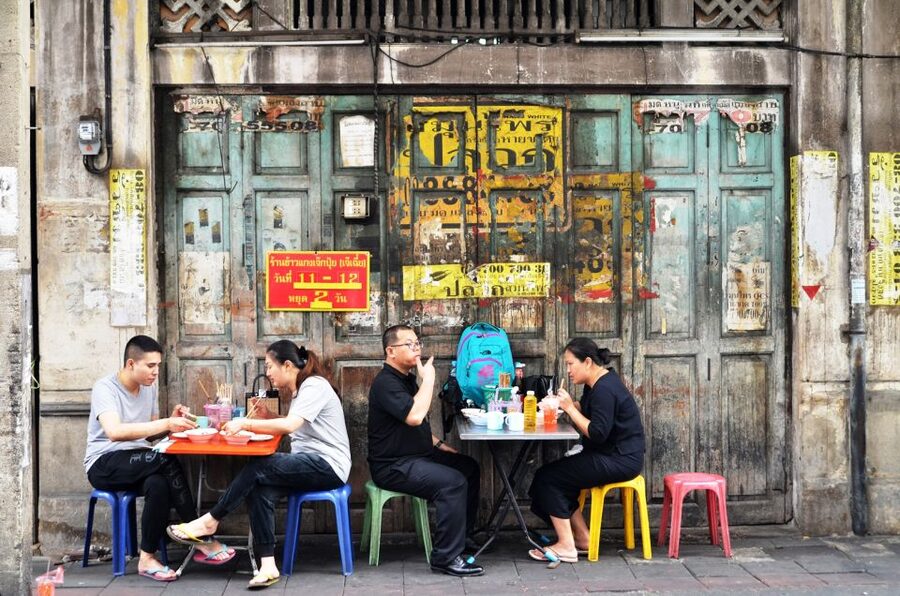
The strongest part of the experience is its attention to ordinary places. You may walk through traditional residential areas, observe local routines, and speak with people from the Chinese community. These moments are less polished than a major attraction, but they give you a clearer sense of the district.
Guide Mee has been singled out for being serious, enthusiastic, and highly informed about Chinatown. If she leads your departure, expect plenty of local stories and a guide who takes the neighborhood seriously. Other departures may have a different English or Thai-speaking guide, so the exact style can vary.
Colorful alleys, street art, and overlooked corners
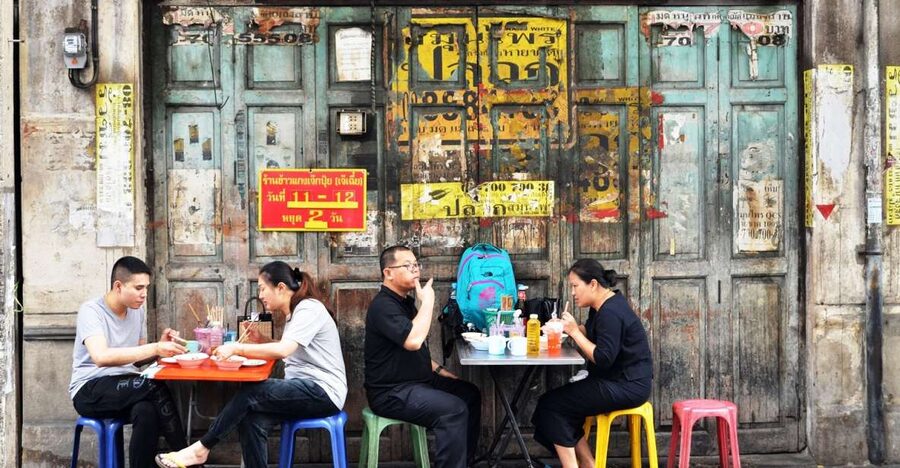
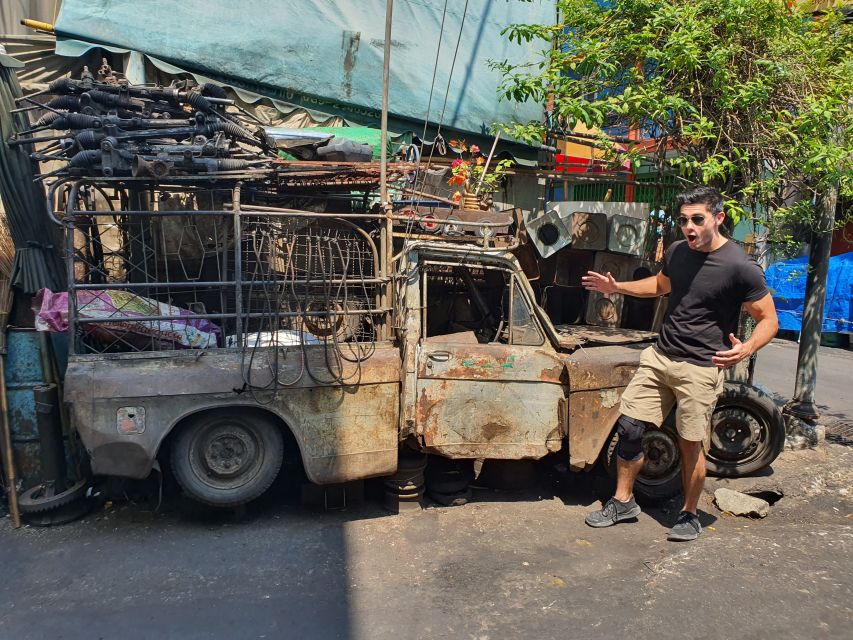
The walk moves into Chinatown’s narrow lanes, where color comes from painted shutters, signs, old buildings, market goods, and street art. These passages are part of the appeal. They show a side of Bangkok that is easy to miss if you stay on the main road between temples and restaurants.
You’ll have time for photographs, but the point is not only to collect pictures. The guide helps explain what you are seeing and directs you toward places that are not obvious from the street. A small temple or quiet viewpoint can mean more when you understand its setting and connection to the neighborhood.
The route includes more than 15 places, though the exact order can change. That is normal on a walking tour through an active district. Markets, alleys, and religious sites operate on local schedules, and the guide may adjust the route to keep the walk moving.
You should expect a real neighborhood, not a staged attraction. Narrow lanes can be crowded, and there may be uneven patches or moments when you need to pause for passing people and goods. Keep your belongings close and stay aware of where the group is going.
The Chinese temple and its steep stairs
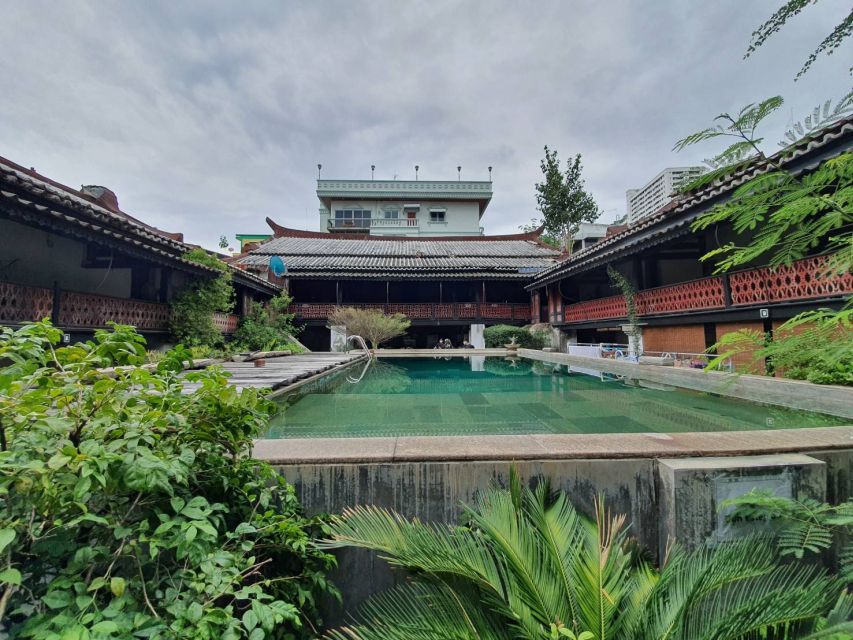
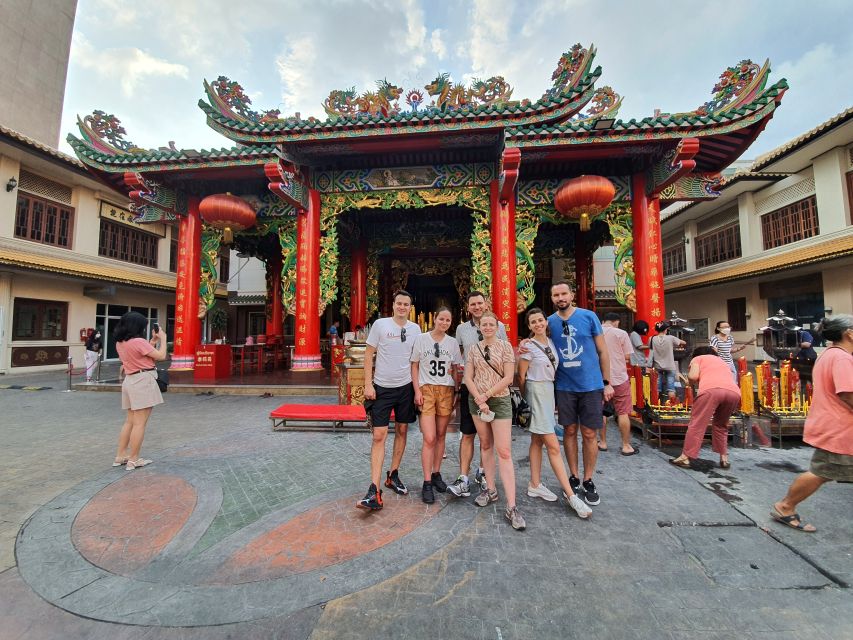
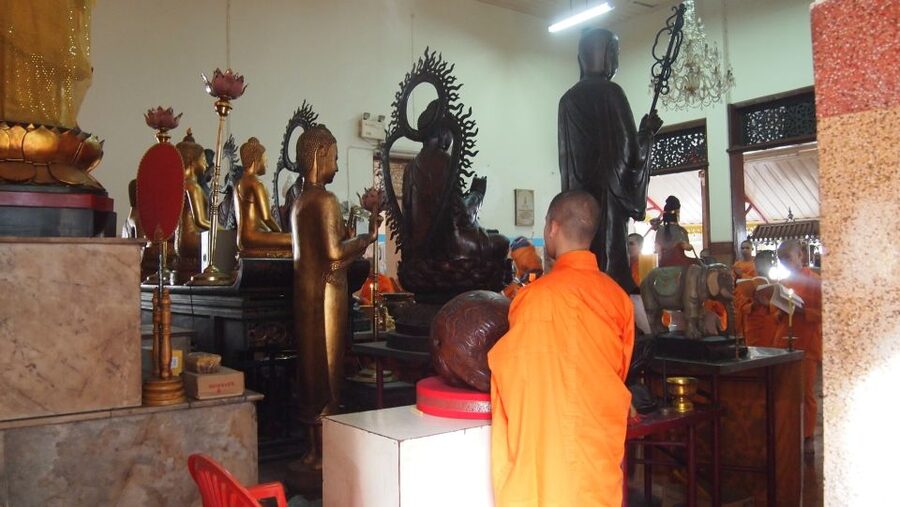
One of the tour’s more distinctive stops is a Chinese temple that includes a steep stair section. This adds a physical challenge, but it also gives the walk a change of rhythm after the flatter streets.
You should wear clothing suitable for a temple visit. Short skirts and short pants are not recommended, and you may need to remove your shoes. Easy-on-and-off footwear is a smart choice. Flip-flops are listed as acceptable, though shoes with a secure fit may feel safer on the stairs.
Take your time here. The stairs are specifically noted as steep, so anyone with balance or mobility concerns should think carefully before booking. The tour is not suitable for wheelchair users, pregnant women, or babies under one year. It is also not intended for people over 95 years old.
The temple stop rewards patience. It is not simply another quick photograph. You get a chance to see how Chinese religious traditions remain part of the neighborhood and how sacred spaces sit alongside shops, homes, and market activity.
Same city, a completely different afternoon:
- Bangkok: Train Market & Floating Market with Boat Ride
★ 4.7 · 9,547 reviews - From Bangkok: Ayutthaya & Ayothaya Floating Market Day Trip
★ 4.7 · 6,084 reviews - Bangkok Canal Tour: 2-Hour Longtail Boat Ride
★ 4.5 · 5,909 reviews - Bangkok: Muay Thai Boxing Tickets at Rajadamnern Stadium
★ 4.9 · 4,740 reviews
Sampeng Market and the working side of Chinatown
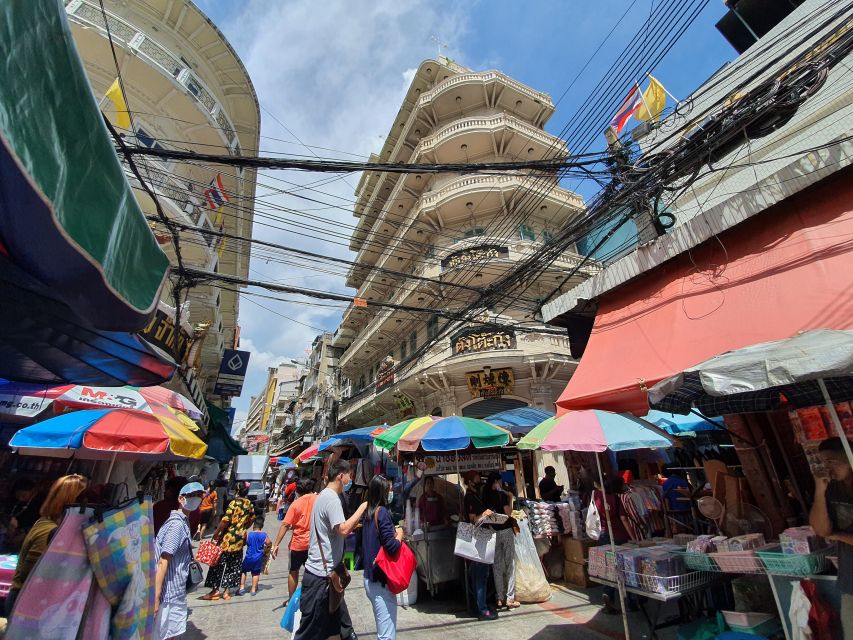
Sampeng Market is one of the most useful stops for understanding Chinatown as a place of trade. It is one of Bangkok’s oldest open markets, with labyrinthine lanes filled with a wide range of goods.
This is not the kind of market where you stroll in a straight line and browse without interruption. The alleys are narrow, and the energy comes from people buying, selling, carrying, and moving through the space. Your guide helps you read the market and keeps the route manageable.
You have time for shopping, but buying something is not the main reason to visit. Sampeng shows the commercial side of Chinatown and gives you a sense of how goods move through the district. It also adds variety to the tour. After temples and residential lanes, the market feels busier and more practical.
Keep your hands free if possible. A small bag is easier than a large backpack in tight market lanes. You may also want to keep cash available, although no specific shopping budget is included in the tour price.
Food, coffee, and a local lunch
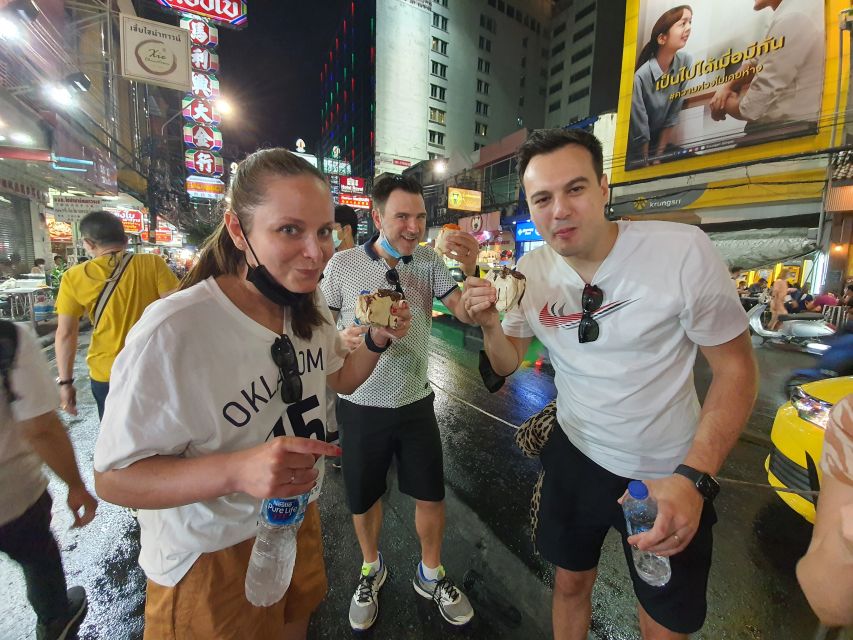
Food is one of the tour’s strongest practical advantages. The $41 cost includes a snack, coffee, and a local lunch, along with the guide and visits to the Chinatown sites.
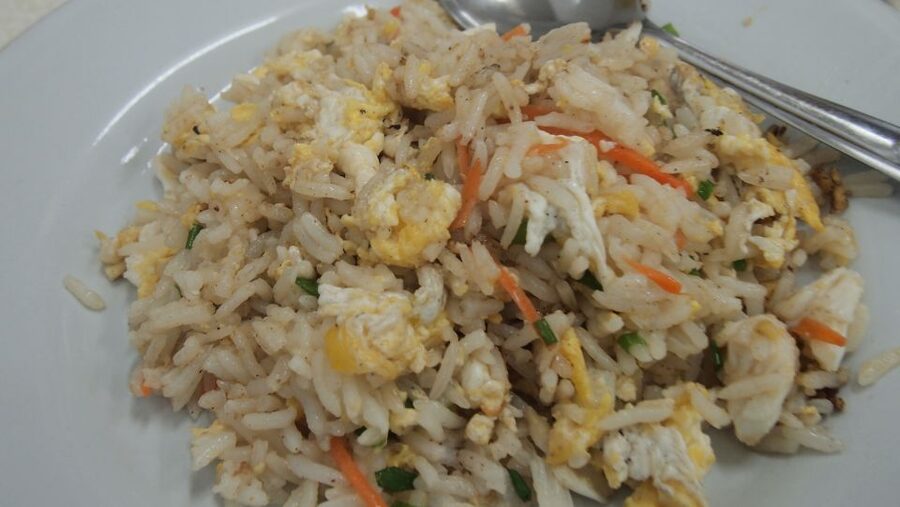
The snack gives you a chance to try a local flavor without committing to a full meal. Later, lunch at a local restaurant provides a more substantial break. The exact dishes are not specified, so you should not book this expecting a particular menu. Still, the structure is useful because it lets you sample food while also making sure you have a proper meal during a long walk.
Coffee at a trendy local cafe adds another pause. Bangkok’s heat can make a three-and-a-half-hour walking route feel longer than the distance suggests. A cafe stop gives you a place to sit, cool down, and absorb what you have seen.
This food component also helps explain the value. If you paid separately for a guide, several samples, coffee, and lunch, the costs would add up. The tour is not the cheapest way to see Chinatown, but it is fairly priced if you want food and interpretation bundled into one half-day outing.
Alcoholic drinks are not included. If you have food allergies, dietary restrictions, or strong preferences, ask the provider before booking because the supplied details do not promise menu substitutions.
Stories of Thai Chinese life
The tour’s cultural focus is more useful than a basic sightseeing route. Chinatown is not presented only as an old quarter with attractive buildings. You hear stories about Thai Chinese heritage, local people, temples, homes, commerce, and the district’s past and present.
I value tours that leave room for conversation. Here, you may speak with local people and see how the area functions beyond its famous food reputation. That can be more revealing than rushing between major landmarks.
The guide also helps you notice small details. A narrow passage, traditional house, or religious object can seem ordinary if you walk past alone. With context, the same feature becomes part of a larger story about family, faith, migration, and business.
The tone will depend on your guide. Mee, who is associated with this experience, is described as enthusiastic and serious about the subject. Another guide may tell the story differently, but the English and Thai options mean you can choose a language that suits you.
Pace, comfort, and what to wear
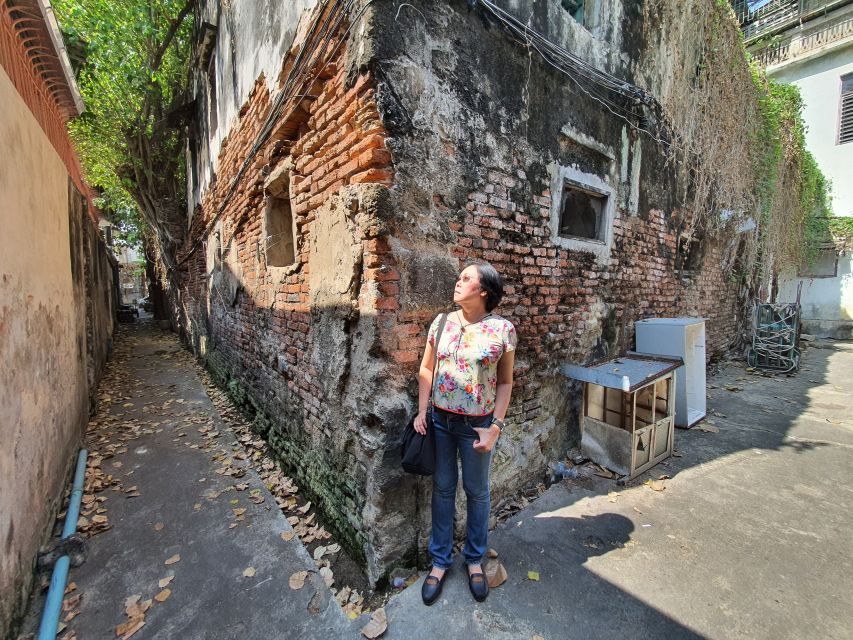
The route is generally flat, and rest stops are built into the experience. That makes the distance manageable for many people who are comfortable walking in Bangkok. You should still prepare for heat, crowds, standing, and occasional delays in narrow lanes.
From May through September, bring an umbrella because rain can arrive quickly. A light rain shower may affect the pace, and the tour does not promise indoor cover at every stop.
Wear clothing that works for both city walking and temple etiquette. Cover your knees, choose breathable fabrics, and bring shoes you can remove easily. Since the temple stairs are steep, secure footwear is safer than loose sandals, even though flip-flops are recommended as an option.
This is not a good choice if you want a relaxed ride with minimal walking. It is also not suitable for wheelchair users because of the temple stairs and narrow route. Families with babies under one year should choose another activity.
The $41 price and who gets the most value
At $41 per person, the tour sits in the middle range for a guided Bangkok experience. You are paying for a small-group guide, three and a half hours of local interpretation, more than 15 stops, snacks, coffee, and lunch.
The value is strongest if you would otherwise spend time trying to locate the smaller temples, market lanes, and residential corners yourself. Chinatown is easy to visit independently, but it is harder to understand independently. The guide saves you that research and adds access to local conversations.
The price is less attractive if you only want a quick walk along Yaowarat Road or a short food crawl. You would be paying for several hours of walking and cultural explanation that you may not use.
Flexible booking also helps. You can reserve now and pay later, and cancellation is free up to 24 hours before the start for a full refund. Check the available start times before booking, since the departure schedule is not fixed in the information provided.
Should you book this Chinatown walk?
Book it if you want local stories, market life, temples, and food in one compact outing. It suits first-time visitors who want a better sense of Chinatown than they would get from a self-guided stroll, as well as returning visitors looking for quieter lanes and neighborhood detail.
Think twice if stairs are difficult, if you dislike walking in heat, or if you want a polished sightseeing tour with major landmarks only. The route is active, sometimes tight, and built around everyday Chinatown rather than grand attractions.
For most able walkers, this is a well-priced way to meet Bangkok’s Chinese heritage through streets, people, meals, and small discoveries. Wear respectful clothing, bring an umbrella in the rainy season, and arrive at MRT Hualampong Exit 1 ready to walk.
FAQ
How long does the Bangkok Chinatown tour last?
The tour lasts 3.5 hours.
How far will I walk?
The total walking distance is about 4 kilometers, or approximately 2 miles. The route is flat almost everywhere, except for the steep stairs at the Chinese temple.
Where does the tour meet?
Meet at MRT Hualampong Exit 1. The guide wears an Eatwalktalktour shirt. The listed starting location is Tang Hua Pug Building, and the tour ends back at the meeting point.
Which languages are available?
Live guiding is available in English and Thai.
What food and drinks are included?
The tour includes a local snack, coffee, and lunch at a local restaurant. Alcoholic drinks are not included.
Is the tour suitable for wheelchair users?
No. The experience is not suitable for wheelchair users, partly because of the narrow walking route and steep temple stairs.
What should I wear for the temple visit?
Do not wear a short skirt or short pants. Easy-on-and-off shoes or flip-flops are recommended because temple visits may require footwear removal.
Can I cancel the booking?
You can cancel up to 24 hours in advance for a full refund. You can also reserve now and pay later.
Just added around Bangkok
- Yoga in the Park Thailand★ 5.0 · 12 reviews
- Bangkok and Ayutthaya 3 Days★ 4.5 · 12 reviews
- Private Tour: Damnoen Saduak Floating Market and Bangkok City Temples★ 5.0 · 12 reviews
- Chinatown (Yaowarat Road) Neon Photoshoot★ 5.0 · 12 reviews
- Ayutthaya Day Tour By Coach and Cruise★ 4.0 · 12 reviews
- Bangkok Suvarnabhumi Airport: VIP Meet & Greet Service (Fasttrack)★ 3.5 · 12 reviews
- Bangkok: Wow Park Interactive Amusement & Science Park★ 4.5 · 12 reviews
- Afternoon Ayutthaya & Ancient Temples at UNESCO site By Road★ 4.5 · 12 reviews