
Reviewed · BANGKOK
Bangkok: Koko Japanese Omakase
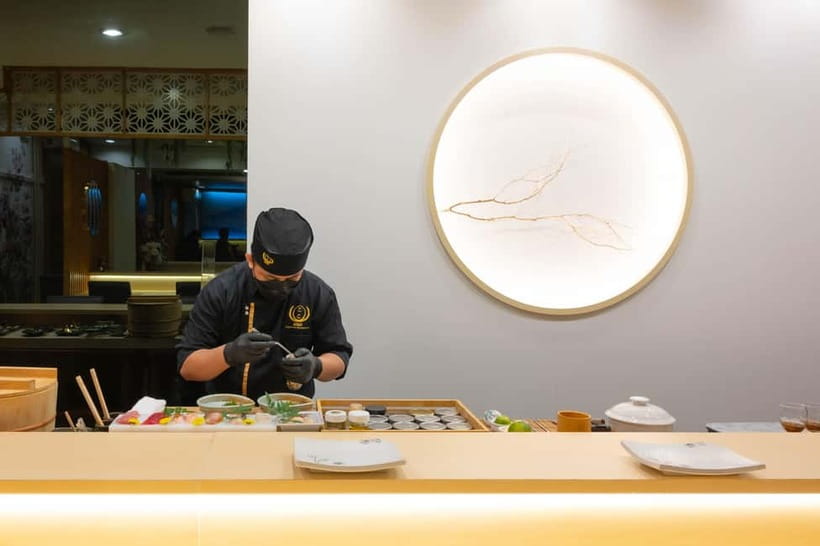
Koko Japanese Omakase puts the chef and the ingredients at the center of your meal. For 90 minutes, you can watch each course take shape and taste seafood sourced from Japan, rather than ordering from a long menu and waiting for a kitchen surprise of a different kind.
I like the intimate setting and the chance to see the chefs’ knife work and presentation up close. I also like the $24 price, especially for diners who want a formal Japanese meal without committing to a much longer or costlier tasting menu.
The main consideration is communication. If Thai-speaking diners share your table, the chef may speak mainly in Thai and give you only a quick explanation when it is your turn. That does not change the food, but it can make the educational side of omakase feel brief.
In This Review
- Key points to know before booking
- What the Koko Japanese Omakase experience is really about
- Arriving in central Bangkok without transport included
- Watching the chefs prepare each course
- Japanese seafood at a Bangkok price
- How the 90-minute meal unfolds
- Settling into the omakase format
- Watching the preparation
- Tasting the prepared dishes
- Sharing with your group
- Who will enjoy Koko most
- Booking, cancellation, and practical limits
- Should you book Koko Japanese Omakase?
- FAQ
- How long does the Koko Japanese Omakase experience last?
- How much does Koko Japanese Omakase cost?
- Is transportation included?
- Can groups order sharing set packages?
- Is the activity refundable if I cancel?
- What should I avoid wearing or bringing?
Key points to know before booking
- 90-minute format: The meal is compact enough for an evening in Bangkok, but still gives you time to watch the preparation and enjoy several courses.
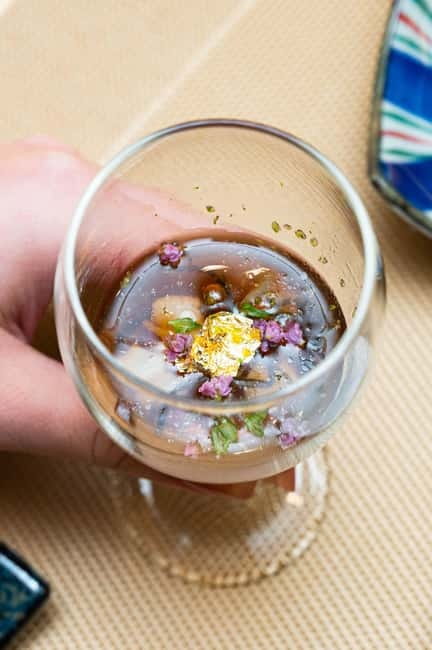
- Japanese seafood: Ingredients are sourced from Japan, with freshness and careful handling at the heart of the meal.
- Chef-led preparation: You watch the cooking and presentation instead of simply receiving finished plates from a hidden kitchen.
- Sharing set option: Groups can order packages designed to provide a wider selection at a useful price.
- Intimate setting: The experience is aimed at diners who want a more personal Japanese meal rather than a fast, casual restaurant stop.
- Thai-language consideration: Explanations may be short if Thai is the main language at the table.
What the Koko Japanese Omakase experience is really about
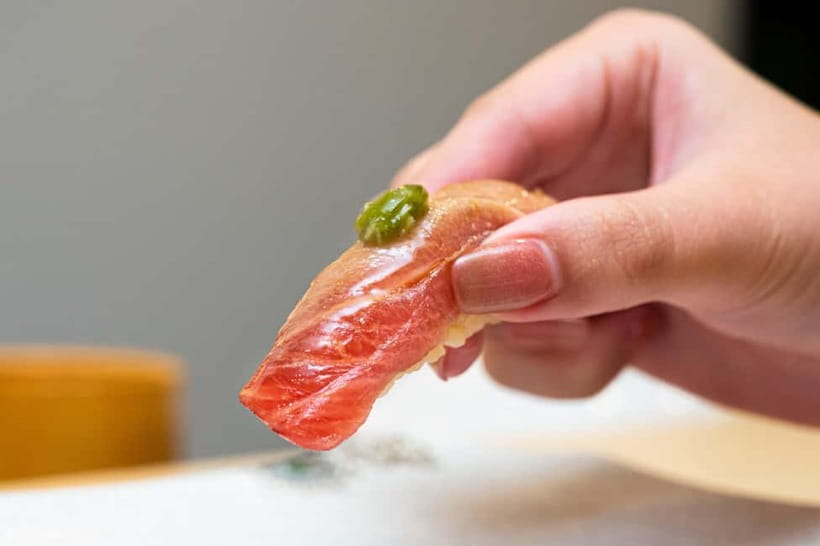
At Koko Japanese Omakase, you are not just buying a plate of sushi or a standard Japanese dinner. You are paying for a short, chef-led dining experience where the preparation is part of the entertainment.
Omakase means placing the choice in the chef’s hands. The attraction is the sense that the meal follows the ingredients available and the chef’s judgment, rather than your own fixed order. Here, that idea is paired with Japanese seafood and an intimate atmosphere in central Bangkok.
I would set your expectations correctly. The supplied details do not provide a fixed course list, exact seafood species, or a named chef. That means you should not book expecting a particular fish, a famous chef, or a guaranteed sequence of dishes. Book it for the format: fresh Japanese ingredients, visible preparation, and a carefully presented meal.
The experience lasts 90 minutes. That is a useful middle ground. You get more than a quick restaurant meal, but you are not tied up for an entire evening. If you have theatre plans, a river cruise, or a late-night reservation afterward, check the available starting times before committing.
Other Bangkok outings people book alongside this one:
- Bangkok: Damnoen Saduak Market and Maeklong Railway Market
★ 4.5 · 26,723 reviews - The Old Siam: Damnoen Saduak and Maeklong Railway Market
★ 4.5 · 10,992 reviews - From Bangkok: Ayutthaya Temples Guided Tour with Lunch
★ 4.7 · 10,535 reviews
Arriving in central Bangkok without transport included
The restaurant is in central Bangkok, but transportation is not included. You need to arrange your own way there and should allow enough time to arrive calmly. Omakase is more enjoyable when you are seated on time, rather than rushing in from a congested Bangkok street.
The activity description does not provide a pickup service, meeting-point transfer, or transportation package. Treat this as a restaurant reservation with a structured dining experience, not as a sightseeing tour that collects you from your hotel.
Once seated, the atmosphere is intended to be intimate and exclusive. That matters because chef-led dining depends on attention. You are there to notice the texture, presentation, and small movements behind each course, not to race through a crowded buffet.
The dress rules are worth noting. Swimwear, sportswear, bare feet, and alcohol or drugs are not allowed. Weapons and sharp objects are also prohibited. You do not need to turn up dressed for a royal banquet, but neat dining clothes are the sensible choice.
Watching the chefs prepare each course
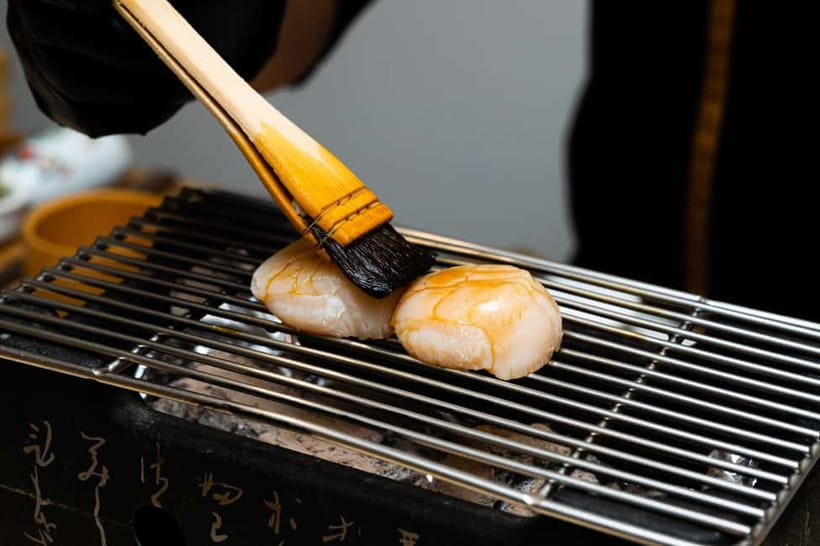
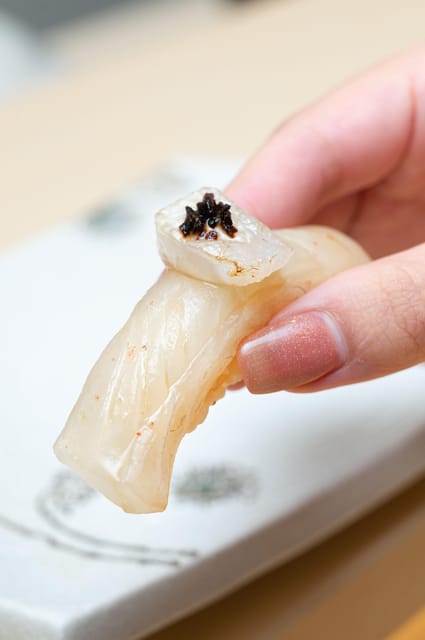
The preparation is one of the strongest reasons to choose this experience. Rather than receiving dishes with no context, you can watch the chefs work with the ingredients and see the care that goes into each serving.
That visual element gives the meal a little theatre, but it is not theatre for its own sake. In Japanese cuisine, cutting, arranging, and timing affect how food is eaten. Seeing that process helps you understand why the meal costs more than a basic rice bowl or a casual sushi order.
You might find the chef handling each serving with a quiet, measured rhythm. The available information does not promise a particular cooking demonstration or a long explanation of every ingredient, so think of the preparation as close-up access to the work rather than a formal cooking class.
A practical point: the chef may speak mainly Thai when Thai diners are at the table. If you are hoping for detailed commentary in another language, keep expectations modest. You may receive only a quick explanation when your course is served. The food remains the focus, but diners who want a fully narrated experience may find this limiting.
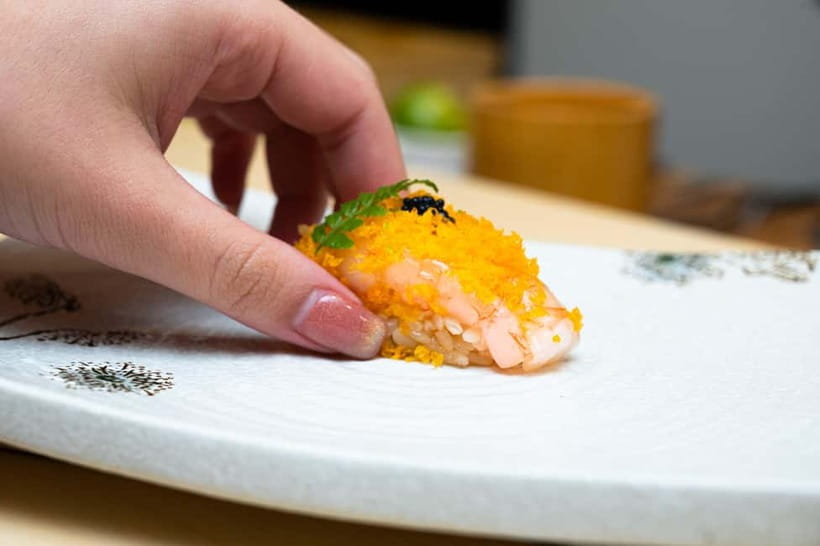
I would pay attention to the simple details: how the seafood is cut, how each portion is placed, and the order in which dishes arrive. Those details are likely to tell you more about the meal than a long speech would.
Japanese seafood at a Bangkok price
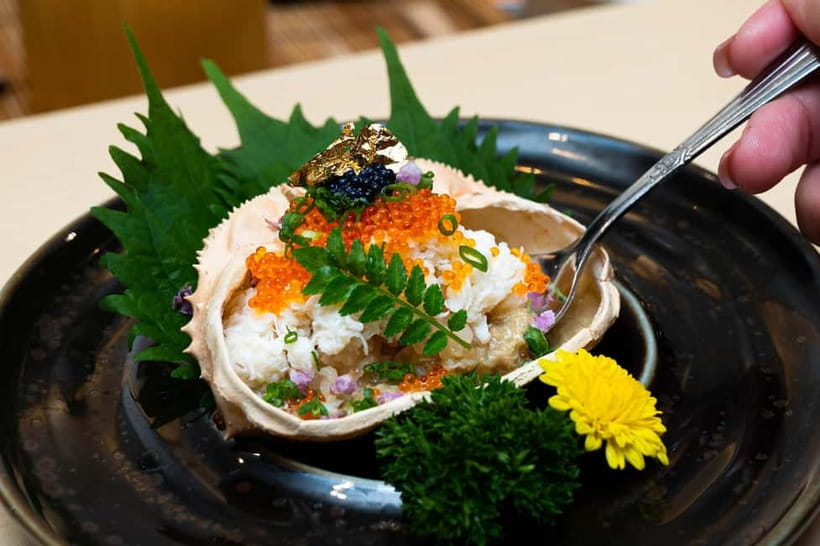
The headline price is $24 per person, which gives Koko a clear value advantage for diners curious about omakase. Japanese seafood and a chef-led setting can make this style of meal feel out of reach, especially if you are comparing it with high-end tasting menus.
Still, price alone should not decide the booking. The exact number of courses, portion sizes, and seafood varieties are not specified. You should view the $24 as the cost of the stated omakase experience, not as a promise of unlimited food or a luxury banquet.
The value is strongest for three types of diners. First, you get a chance to try the omakase format without paying a premium price. Second, you can watch the preparation, which adds something beyond the food itself. Third, groups can use sharing set packages to sample a broader selection.
Those sharing packages are particularly useful if you are dining with friends or marking a special occasion. Instead of each person ordering one narrow meal, the group can share a selection of expertly prepared dishes. That gives everyone more variety and may keep the overall bill sensible.
I would ask about the exact contents of a sharing package before choosing it, since the available details do not list the dishes or serving quantities. The package idea is valuable, but your group should confirm that it suits different appetites and preferences.
Same city, a completely different afternoon:
- Bangkok: Train Market & Floating Market with Boat Ride
★ 4.7 · 9,547 reviews - From Bangkok: Ayutthaya & Ayothaya Floating Market Day Trip
★ 4.7 · 6,084 reviews - Bangkok Canal Tour: 2-Hour Longtail Boat Ride
★ 4.5 · 5,909 reviews - Bangkok: Muay Thai Boxing Tickets at Rajadamnern Stadium
★ 4.9 · 4,740 reviews
How the 90-minute meal unfolds
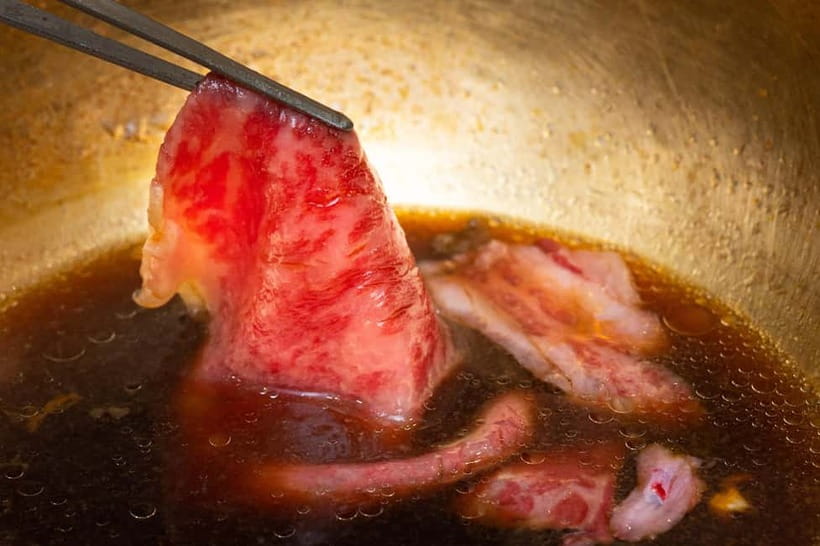
The experience does not provide a published course-by-course schedule, so I would not expect a fixed itinerary in the sightseeing sense. The meal is better understood as a sequence of chef-prepared servings, with the kitchen work visible as the courses are made and presented.
Settling into the omakase format
The opening stage is about getting comfortable with the restaurant’s rhythm. You take your seat, let the chef guide the meal, and prepare to receive dishes rather than choosing every detail yourself.
This is a good moment to tell your companions what kind of evening you want. If you are celebrating, the sharing sets may make sense. If you care more about watching the chef than trying a large range of dishes, an individual omakase experience may suit you better.
Watching the preparation
As the meal progresses, the chef’s preparation becomes the central focus. Each dish is handled with care, then presented for you to taste while it is fresh.
The supplied information does not identify exact dishes or promise a particular cooking method. You might find raw seafood, prepared seafood, or other Japanese dishes, but it would be wrong to book on the assumption that a particular item will appear. The point is the chef’s selection and handling of the ingredients available.
Tasting the prepared dishes
The meal is designed to let you savor each course rather than pile everything onto one plate. Take your time. Notice the freshness, the balance of flavors, and the way each serving is presented.
If you are new to omakase, this is a gentle introduction because the session is relatively short and the price is approachable. If you already know high-end Japanese dining, you may find the lower price and limited information make the experience less predictable than a detailed luxury tasting menu.
Sharing with your group
Sharing set packages change the feel of the visit slightly. They are designed for groups and allow you to try a wider range of dishes together. That makes them useful for a birthday, date with friends, or a simple night out when nobody wants to order exactly the same thing.
There is one tradeoff. Sharing can make the meal more social, but it may give you less of the individual chef-to-diner attention associated with classic omakase. If personal presentation is your main reason for booking, check how the package is served.
Who will enjoy Koko most
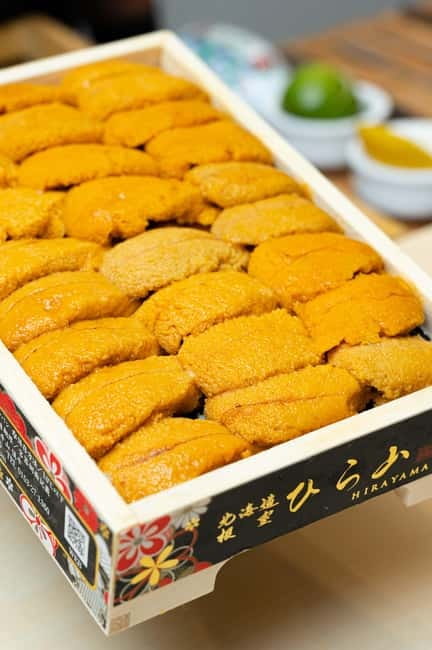
I would recommend Koko to first-time omakase diners, seafood lovers, and anyone looking for a special meal in Bangkok that fits into a 90-minute window. The $24 price lowers the risk of trying a dining style you may not know.
It also suits small groups. The sharing packages give friends a practical way to sample several dishes, and the intimate setting should feel more occasion-worthy than a standard casual dinner.
This is less suitable if you need a fully explained meal in English or another specific language. The available information does not confirm a full language service, and the chef may give only short explanations when Thai is the main language at the table.
It may also disappoint diners who need a fixed menu in advance. Exact dishes are not listed, so the experience depends on what the chef selects and what ingredients are available.
Booking, cancellation, and practical limits
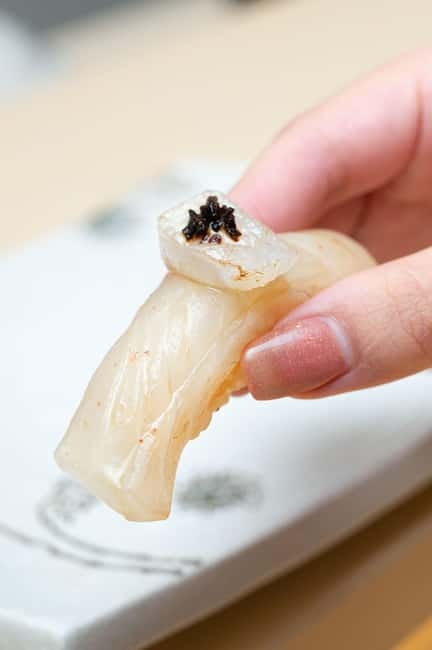
The activity is non-refundable, so book only when your schedule is firm. Availability depends on the starting times shown when you check, and the meal itself lasts 90 minutes.
Transportation is not included, so you must make your own way to the restaurant in central Bangkok. The experience includes the omakase meal, intimate atmosphere, chef-led craftsmanship, fresh ingredients, and hospitality, but not travel to or from the venue.
The restrictions are straightforward: no weapons or sharp objects, swimwear, alcohol, drugs, sportswear, swimming, or bare feet. These rules fit the setting, which is designed for seated dining rather than a casual poolside or activity-based visit.
Should you book Koko Japanese Omakase?
Book it if you want an affordable introduction to Japanese omakase, enjoy watching chefs prepare food, and like the idea of Japanese seafood in an intimate Bangkok setting. The $24 price and 90-minute length make it easy to fit into a city itinerary.
Choose the sharing set if you are dining with friends and want variety. Choose carefully if detailed explanations matter to you, since the chef’s commentary may be brief when Thai is the main language around the table.
I would skip it if you require a guaranteed menu, a narrated experience in a specific language, or a refundable booking. For everyone else, Koko offers a focused way to try chef-led Japanese dining without turning dinner into a full-night commitment.
FAQ
How long does the Koko Japanese Omakase experience last?
The experience lasts 90 minutes. Starting times depend on availability when you check.
How much does Koko Japanese Omakase cost?
The listed price is $24 per person.
Is transportation included?
No. Transportation to and from Koko Japanese Omakase is not included.
Can groups order sharing set packages?
Yes. Sharing set packages are available for groups and provide a selection of dishes at a stated value-oriented price.
Is the activity refundable if I cancel?
No. The activity is non-refundable.
What should I avoid wearing or bringing?
Do not bring weapons or sharp objects. Swimwear, sportswear, bare feet, alcohol, and drugs are not allowed.
Just added around Bangkok
- Bangkok: Fallabella River Front Iconsiam★ 4.7 · 3 reviews
- Private Grand Palace Bangkok City Tour & Klong Longtail Boat Trip★ 4.5 · 3 reviews
- Bangkok: Divana Scentuara Spa Chidlom Branch E-Voucher★ 5.0 · 3 reviews
- Bangkok: Flower Market & Sunset Walking Tour★ 3.7 · 3 reviews
- Private Shore Excursion: Best of Bangkok in a day★ 3.5 · 3 reviews
- From Bangkok: Kanchanaburi, River Kwai and Erawan Waterfall Tour★ 3.0 · 3 reviews
- Private Damnoen Saduak and Maeklong Railway Market Tour(min 2pax)★ 5.0 · 3 reviews
- Damnoen Saduak Famous Floating Market and Mea Klong Railway Tour★ 5.0 · 3 reviews