
Reviewed · BANGKOK
Bangkok Cultural Experience
Bangkok’s temples make the most sense when you reach them as locals do, and this tour begins with a ride on the public Orange Line boat from Sathorn Pier. You get the Chao Phraya River, Wat Arun, Wat Pho, and Chinatown in one long day, with an English-speaking guide to explain what you are seeing.
I like two things right away. First, the tour uses public transport instead of keeping you inside a private vehicle all day. Second, it ends in Yaowarat, where you can choose your own Chinatown meal rather than being locked into a fixed restaurant menu. The guides, including Angie and Wanna, are also praised for temple explanations, photos, and practical help.
The main drawback is the pace. Seven to eight hours in Bangkok’s heat, with temple walking, boat travel, and a two-hour Chinatown visit, can leave you tired. Lunch is not included, and you will pay for your own food and personal expenses.
In This Review
- Key points at a glance
- Starting at Sathorn Pier and riding the Orange Line
- Wat Arun, Bangkok’s Temple of Dawn
- Wat Pho and the 46-meter Reclining Buddha
- Yaowarat, where the tour turns to food
- What the guides add to the day
- Is $74 a fair price?
- Who will enjoy this Bangkok tour most?
- Practical advice before you book
- Should you book the Bangkok Cultural Experience?
- FAQ
- Where does the Bangkok Cultural Experience start?
- Where does the tour end?
- How long does the experience last?
- Is transportation included?
- Are temple admission fees included?
- Is lunch included?
- Can I cancel for a full refund?
Key points at a glance
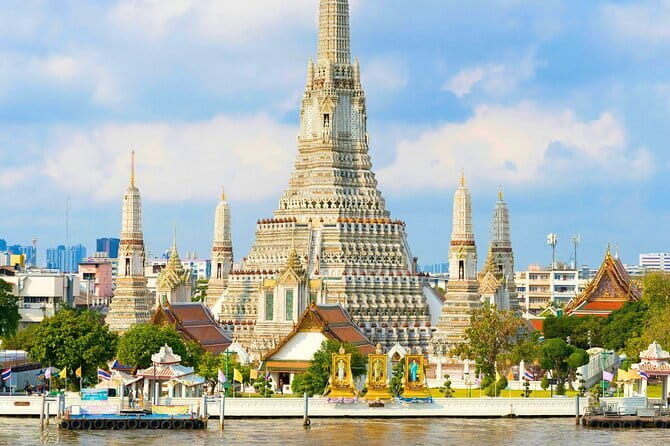
- Public boat to Wat Arun: Ride Bangkok’s Orange Line along the Chao Phraya River from Sathorn Pier.
- Two major temples: Spend about two hours at Wat Arun and one hour at Wat Pho, with admission included.
- The Reclining Buddha: See Wat Pho’s famous 46-meter-long gold-covered Buddha and learn about the temple’s royal role.
- Chinatown by appetite: Finish with roughly two hours in Yaowarat, choosing from noodles, dumplings, seafood, and sweets.
- Small group format: The tour accepts a maximum of 15 people, which gives the guide room to answer questions.
- Flexible ending: The guide accompanies you to Wat Mangkon MRT Station, near Chinatown, where you can continue by train or taxi.
Starting at Sathorn Pier and riding the Orange Line
The meeting point is in Sathorn, at Sathorn Si Lom in Bang Rak, with an 11:00 a.m. start. The first useful feature is also the most ordinary: you begin on Bangkok’s public transport system.
That matters. A boat ride on the Chao Phraya is not only a transfer to the first temple. It gives you an early look at the city from the water and helps you understand how Bangkok moves. You are not simply dropped at a monument. You reach it by the same kind of transport that many people use to cross the city.
The route uses the Orange Line public boat. All public transport in Bangkok is included, along with snacks and soft drinks, so you do not need to budget for the boat fare during the tour. You should still carry money for lunch, Chinatown food, and any other personal purchases.
The first stop is scheduled for about two hours, but the full experience lasts seven to eight hours. That difference is important. The day includes transfers, walking, time at both temples, and the Chinatown portion. Wear shoes that are comfortable for standing and walking, and bring water even though refreshments are provided.
The group size is capped at 15 people. That is not a private tour, but it is small enough for a guide to keep the group together and respond to individual questions. The meeting point is fixed, so you should plan your route to Sathorn before the start time rather than trying to find the group at the temple.
Other Bangkok outings people book alongside this one:
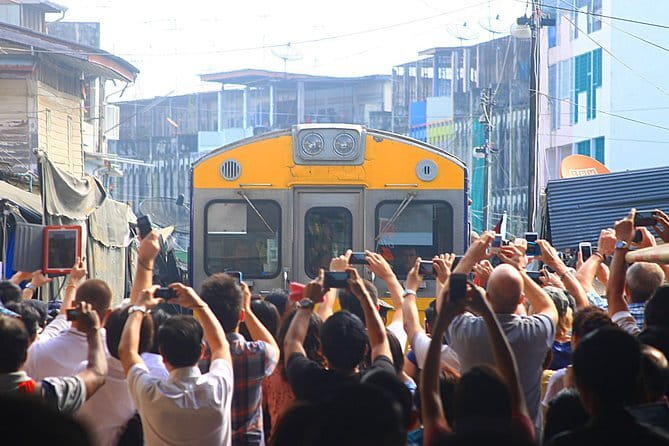
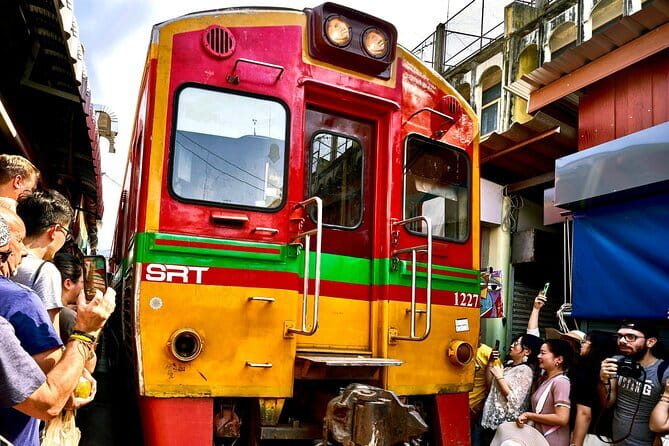
- Bangkok: Damnoen Saduak Market and Maeklong Railway Market
★ 4.5 · 26,723 reviews - The Old Siam: Damnoen Saduak and Maeklong Railway Market
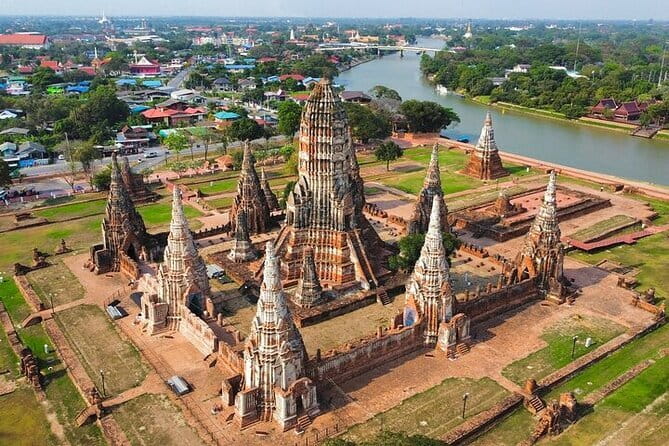
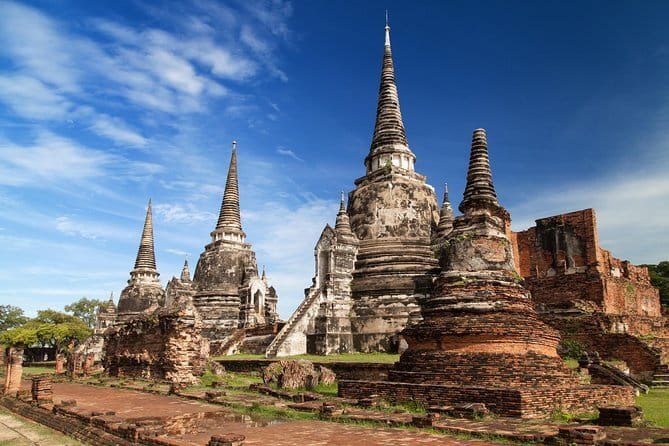
★ 4.5 · 10,992 reviews - From Bangkok: Ayutthaya Temples Guided Tour with Lunch
★ 4.7 · 10,535 reviews
Wat Arun, Bangkok’s Temple of Dawn
Wat Arun is the visual centerpiece of the first half of the tour. Its tall central structure and detailed ceramic decoration make it easy to recognize from the river, but seeing it close up gives you a different impression. From the boat, you first get the broad view. Inside the temple grounds, you can study the surface work and the scale of the architecture.
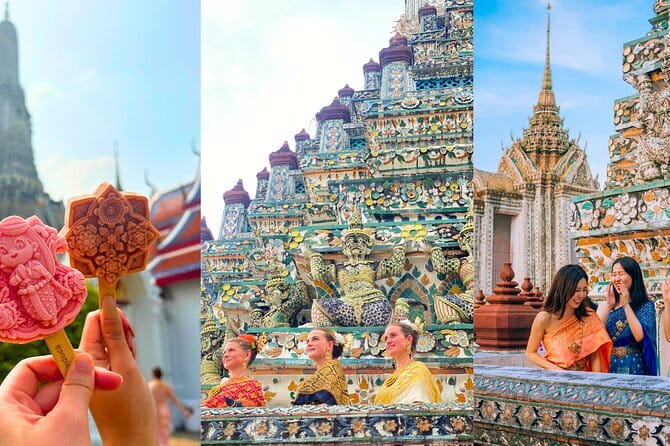
The two-hour visit gives the guide time to explain more than the basic name and photo stop. This is where Angie, Wanna, or another assigned guide can add value. Several guides connected with this experience are praised for explaining temple meaning, history, and local customs in clear terms, rather than rushing everyone from one viewpoint to another.
I would pay close attention to the guide here. Bangkok’s religious buildings can look like a blur of gold, color, statues, and intricate patterns when you see several in one day. A good explanation helps you notice why the buildings were made in particular forms and how the site fits into Thai culture.
Wat Arun also makes this tour especially appealing to first-time visitors. You get one of Bangkok’s most recognizable sights without having to arrange the river boat, temple admission, and transport yourself. At the same time, the public boat keeps the visit tied to everyday city life.
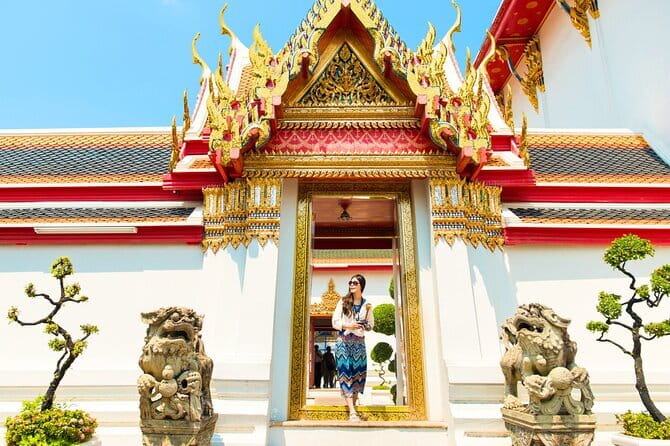
The practical concern is heat. There is no promise of an air-conditioned route through the temple grounds, and the visit comes early in a long day. A hat, sunscreen, and modest clothing are sensible choices. The supplied information does not give a detailed dress code, but Angie specifically encouraged visitors to dress up for the temple visits and photos. That is good advice if you want respectful clothing and better pictures.
Wat Pho and the 46-meter Reclining Buddha
After Wat Arun, the tour continues to Wat Pho, officially Wat Phra Chetuphon. The visit lasts about an hour, and admission is included.
Wat Pho is described as Thailand’s first-class royal temple and is famous for its 46-meter-long Reclining Buddha. The figure is covered in gold leaf and is one of the sights you will want to see in person, even if you have already looked at dozens of photographs.
The one-hour slot is shorter than the time at Wat Arun, so expect a focused visit rather than a slow wander through every corner. The guide’s role is useful here. You can easily walk into a temple, look at the largest statue, take a photo, and leave without understanding why the place matters. The tour is designed to give you the background behind the building, the Buddha image, and the religious setting.
The contrast between the two temple stops helps the day. Wat Arun gives you the river approach and a dramatic architectural view. Wat Pho gives you a major interior sight and a closer look at Bangkok’s royal and religious traditions.
You should also expect the two temples to feel different from Chinatown. The morning is structured and interpretive. The afternoon is more open-ended, especially once you reach Yaowarat. That change keeps the day from becoming a string of similar monument visits.
If you are especially interested in temple architecture, one hour at Wat Pho may feel brief. If you prefer a broad introduction to Bangkok, the timing is sensible. You see two major sites without spending the entire day in one complex.
Yaowarat, where the tour turns to food
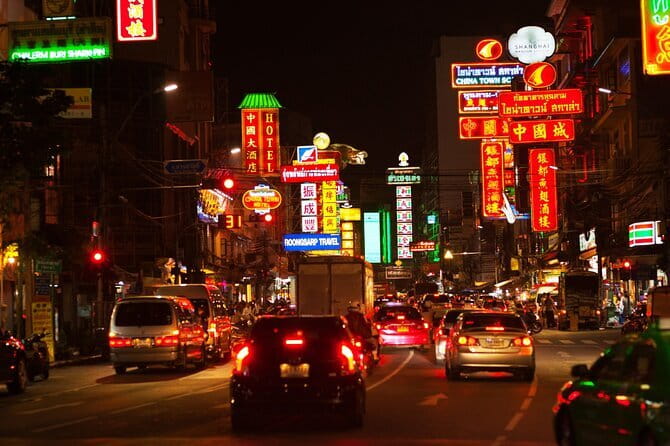
The final major stop is Chinatown, also called Yaowarat, with about two hours to explore. This is not a fixed lunch at a selected restaurant. Lunch and other meals are not included, so you choose what to eat and pay directly.
That arrangement is one of the tour’s strengths. Chinatown offers noodles, dumplings, seafood, and sweets, so you can shape the food stop around your own appetite and budget. You might want a full meal, a few small dishes, or simply time to look around before deciding.
The guide can point you toward local choices and help you understand what is available. Wanna is praised for making recommendations and helping with practical details. Angie is also praised for giving local advice and taking photos, which can be useful at the end of a full sightseeing day.
Two hours is enough to sample food and get a feel for Yaowarat, but it is not an unlimited food crawl. Since no meal is included, you should consider the $74 tour price as covering transport, temple admissions, guiding, snacks, and soft drinks, not lunch. Your final cost will depend on what you order in Chinatown.
This open food stop also suits people with different needs. You can spend more on seafood, keep things simple with noodles or dumplings, or focus on sweets. The tradeoff is that the experience is less predictable than a set meal. If you want every dish planned in advance, this may feel loose. If you like making your own choices, it works well.
The Chinatown ending is practical, too. The guide accompanies you to Wat Mangkon MRT Station, which is close to Yaowarat. You can part ways at the station, continue by MRT, or choose a taxi for the next part of your evening.
Same city, a completely different afternoon:
- Bangkok: Train Market & Floating Market with Boat Ride
★ 4.7 · 9,547 reviews - From Bangkok: Ayutthaya & Ayothaya Floating Market Day Trip
★ 4.7 · 6,084 reviews - Bangkok Canal Tour: 2-Hour Longtail Boat Ride
★ 4.5 · 5,909 reviews - Bangkok: Muay Thai Boxing Tickets at Rajadamnern Stadium
★ 4.9 · 4,740 reviews
What the guides add to the day
The guide is the key variable in a cultural tour, and the named guides connected with this experience receive especially strong praise. Angie is described as friendly, informative, and helpful with photographs. She also suggested dressing up, which is a small but useful tip for a temple day.
Wanna is praised for careful attention, recommendations, and help with an onward detour after the tour. Another account describes her as patient and well informed. Those details matter because the tour includes several transitions, and practical help can save you time when you are tired or unsure how to continue.
The guides are also valued for making the day personal. That does not mean you should expect a private tour. It means the maximum group size of 15 leaves some room for questions and conversation, and the guide can help connect the buildings to Thai culture rather than delivering only dates and names.
Guide assignments can change, so you should not book solely because you hope to have one particular person. Still, the repeated emphasis on friendly service, temple background, and personal assistance is a good sign for anyone who wants more than directions between attractions.
Is $74 a fair price?
At $74 per person, this is not the cheapest way to see Bangkok’s temples. You could arrange public transport yourself and pay individual admission fees. You would then have more control over timing and could spend longer at one site.
The value comes from combining several useful pieces. The tour includes all public transport in Bangkok, admission to Wat Arun and Wat Pho, an English-speaking guide, snacks, and soft drinks. It also removes the work of planning the river route, ordering the day, and deciding how to get from the temples to Chinatown.
For a first visit, I think the price is reasonable if you want structure and cultural context. It is less compelling for an experienced Bangkok visitor who already knows the public boat system and prefers independent temple visits.
The Chinatown stop improves the value because it gives the day a local food focus without forcing you into a set menu. You pay extra for lunch, but you also avoid paying for food you may not want. Set aside additional money for the meal and any other purchases.
A second value point is the ending at Wat Mangkon MRT Station. You do not have to work out the route back to your hotel while navigating Yaowarat. The guide takes you to a clear transport point, then you choose your next step.
Who will enjoy this Bangkok tour most?
I would recommend this experience to a first-time Bangkok visitor who wants to see two major temples and sample Chinatown in one organized day. It suits you if you value explanations, prefer a small group, and like using public transport rather than spending the whole day in a private car.
It also works for solo visitors. A guide can make the river ride and temple visits easier to manage, and the group setting gives you company without the cost of a private booking.
Food-focused visitors should like the Yaowarat finish, especially if you prefer choosing dishes yourself. The tour does not promise a particular restaurant or a set tasting menu, so you need to be comfortable making your own food decisions.
I would hesitate to recommend it to you if you dislike long scheduled days, have difficulty with extended walking or standing, or want a very slow visit at each temple. The supplied information says most people can participate, but it does not give detailed accessibility information. If you have specific mobility needs, ask the provider before booking.
The 11:00 a.m. start may also affect your plans. You will not see these sights in the cool early morning, and the day continues into the afternoon or evening. Plan other activities around it rather than trying to squeeze in another major attraction beforehand.
Practical advice before you book
You receive confirmation at booking, and the experience is available with a mobile ticket. The tour begins at Sathorn Si Lom and ends near Wat Mangkon MRT Station, not back at the starting point.
That one-way route is helpful if you plan to continue in Chinatown. It is less convenient if your hotel is near Sathorn and you want to return there immediately. The guide can take you to the station, but your onward transport is your responsibility.
Free cancellation is available if you cancel at least 24 hours before the 11:00 a.m. start time. Cancellations or changes made less than 24 hours ahead are not accepted for a refund, and the local time in Bangkok controls the cutoff.
Keep your day simple. Bring a phone with the mobile ticket, comfortable clothing, and enough money for lunch and personal expenses. Since snacks and soft drinks are included, you can use your food budget mainly for the Chinatown stop.
Should you book the Bangkok Cultural Experience?
Book it if you want a well-organized first look at Bangkok’s temples, river transport, and Chinatown food without planning every connection yourself. The public boat, included admissions, small group size, and guide support make the $74 price easier to justify.
I would choose it for a first or second day in Bangkok, especially if Angie, Wanna, or another strong guide is leading the group. Their temple explanations, photo help, local recommendations, and assistance with onward travel are central to the experience.
Skip it if you want total freedom, a private guide, or a long unhurried visit at each temple. Also remember that lunch is extra and the day is physically demanding. For the right visitor, this is a useful introduction to Bangkok that ends where the city’s food scene takes over.
FAQ
Where does the Bangkok Cultural Experience start?
It starts at Sathorn Si Lom in Bang Rak, Bangkok, at 11:00 a.m. The guide meets the group at Sathorn Pier for the public boat ride.
Where does the tour end?
The tour ends at Wat Mangkon MRT Station near Chinatown or Yaowarat. The guide accompanies you to the station, where you can leave independently or take a taxi onward.
How long does the experience last?
The experience lasts approximately seven to eight hours.
Is transportation included?
Yes. All public transport used during the experience in Bangkok is included, including the Orange Line public boat from Sathorn Pier to Wat Arun.
Are temple admission fees included?
Yes. Admission to Wat Arun and Wat Pho is included.
Is lunch included?
No. Lunch and other meals are not included. You pay for your own food and other personal expenses in Chinatown.
Can I cancel for a full refund?
Yes, if you cancel at least 24 hours before the experience start time. Cancellations or changes made less than 24 hours before the start are not accepted for a refund.
Just added around Bangkok
- Yoga in the Park Thailand★ 5.0 · 12 reviews
- Private Tour: Damnoen Saduak Floating Market and Bangkok City Temples★ 5.0 · 12 reviews
- Chinatown (Yaowarat Road) Neon Photoshoot★ 5.0 · 12 reviews
- Bangkok and Ayutthaya 3 Days★ 4.5 · 12 reviews
- Ayutthaya Day Tour By Coach and Cruise★ 4.0 · 12 reviews
- Bangkok Suvarnabhumi Airport: VIP Meet & Greet Service (Fasttrack)★ 3.5 · 12 reviews
- Bangkok: Wow Park Interactive Amusement & Science Park★ 4.5 · 12 reviews
- Afternoon Ayutthaya & Ancient Temples at UNESCO site By Road★ 4.5 · 12 reviews