
Reviewed · BANGKOK STREET FOOD TOURS
Bangkok: Chinatown & Taladnoi Street Art Guided Walking Tour
Bangkok’s Chinatown is more than neon signs and seafood restaurants. This four-hour walk takes you from Wat Mangkon Kamalawat through markets, temples, shrines, and old lanes, then across to Talad Noi, where Chinese craftsmanship and modern street art share the same narrow streets. I like the way the route connects everyday life with Thai-Chinese history instead of treating Chinatown as a string of photo stops.
I especially like two things here: the small-scale local stories, from charitable hospitals to old ironworking lanes, and the finish at the Chao Phraya River, where you can continue sightseeing without backtracking. The main drawback is simple: four hours on foot in Bangkok’s heat is work, and the route is not suitable for wheelchair users or pregnant women.
In This Review
- Key points to know before you book
- Why this route gives you more than a Chinatown food stop
- Wat Mangkon Kamalawat and the spirit of Yaowarat
- Charitable care and the story of the Golden Buddha
- Wat Pathum Khongkha offers a quieter pause
- Talad Noi and the old ironworks lanes
- Street art, shrines, and old buildings
- Ending at River City Bangkok
- Is four hours and $19 a good value?
- Who should book this Chinatown walk?
- Should you book it?
- FAQ
- Where does the tour begin?
- How long does the walking tour last?
- Where does the tour finish?
- Is an English-speaking guide included?
- Are food and drinks included?
- What should I wear and bring?
- Can I cancel or pay later?
Key points to know before you book
- Start at MRT Wat Mangkon Exit 3: The meeting point puts you right beside Chinatown’s main historic quarter.
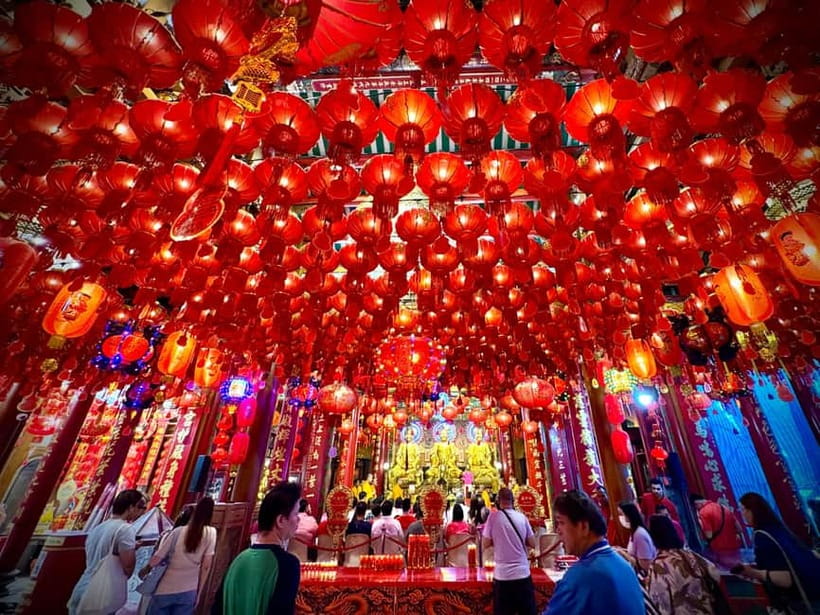
- Visit Wat Mangkon Kamalawat: This major Chinese temple gives useful context for the district’s religious life.
- See Chinatown beyond Yaowarat Road: Markets, shrines, the Tian Fah Foundation Hospital, and Wat Traimit add depth to the walk.
- Explore Talad Noi’s old ironworking lanes: The neighborhood links Chinese trade and craftsmanship with today’s street art.
- Finish at River City Bangkok: You can stop for lunch, browse the riverside area, or take a boat ride afterward.
- Pay $19 for four hours: With a licensed English-speaking guide and water included, the price is strong value if you enjoy walking tours.
Why this route gives you more than a Chinatown food stop
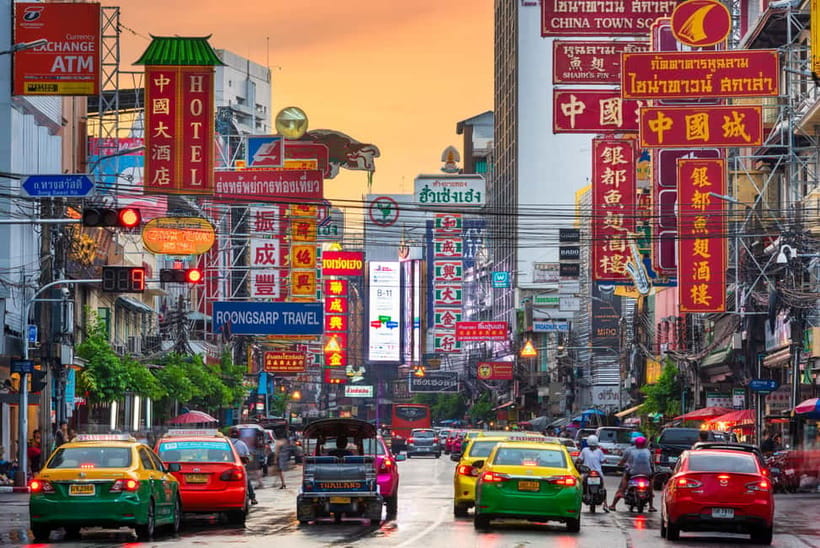
Many Bangkok visitors see Chinatown as a place to eat, shop, and take pictures under bright signs. That can be fun, but it leaves out the people and institutions that shaped the area. This tour follows a more useful thread: Chinese immigration, religious practice, charity, trade, family businesses, and the physical remains of old neighborhoods.
You begin at MRT Wat Mangkon Exit 3, a practical meeting point with easy rail access. From there, the guide leads you into Yaowarat on foot. The route is designed for seeing the district at street level, so expect narrow lanes, working markets, passing traffic, shopfronts, incense, and plenty of interruptions from ordinary city life.
The experience costs $19 per person and lasts four hours. That is a good deal for a guided walk of this length, especially because the guide is licensed, speaks English, and supplies a bottle of water. Meals and personal purchases are not included, so keep some cash or another payment method ready for food and small treats.
Guide quality matters on a walk like this. Jenny is praised for clear explanations, patience, and a friendly manner with families. Nok is described as attentive and good at explaining Thai-Chinese culture. Mai has been flexible with personal interests, while Jib has helped visitors manage a market visit with calm, practical assistance. Your guide may be someone else, but the experience depends heavily on this person bringing the streets to life.
More street food tours in Bangkok:
- Bangkok: Backstreets Food Tour with 15+ Tastings
★ 4.9 · 2,880 reviews - Bangkok Backstreets Food Tour with 15+ Tastings
★ 5.0 · 1,926 reviews - Bangkok: Michelin Guide Street Food Tour by Tuk Tuk
★ 4.4 · 1,274 reviews
Wat Mangkon Kamalawat and the spirit of Yaowarat
The first major stop is Wat Mangkon Kamalawat, one of the central places of Chinese spiritual life in Bangkok. The temple gives the tour an immediate sense of place. Instead of seeing Chinatown only as a commercial district, you begin with worship, ritual, incense, and the continuing link between Chinese traditions and Bangkok’s wider culture.
Your guide can help you notice the difference between simply entering a temple and understanding its role in the community. The building is a working religious site, not a staged attraction, so you should dress respectfully and follow the guide’s advice about behavior. The information provided does not specify a dress code, but light, respectful clothing is sensible for a temple visit.
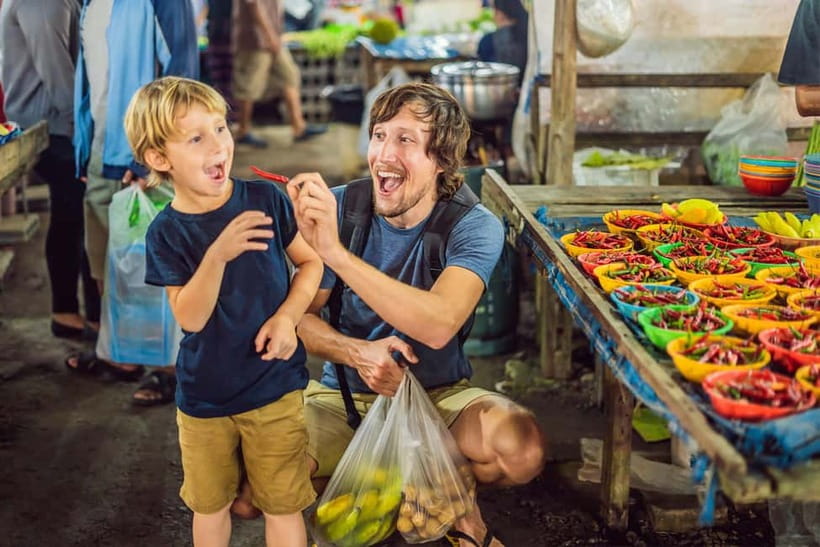
From here, the walk moves into a morning market. This is one of the best parts for your senses: food stalls, incense, fresh goods, shop displays, and the steady movement of local shoppers. The market is not presented as a separate tourist show. It is part of the neighborhood’s daily rhythm, which makes the guide’s help useful when you want to understand what you are seeing.
You should not expect a sit-down breakfast to be included. Meals are not part of the tour, but the market gives you a chance to see the food culture up close. Ask your guide about anything unfamiliar before buying it, and remember that eating while walking may not suit everyone in the heat.
Charitable care and the story of the Golden Buddha
The Tian Fah Foundation Hospital adds an unexpected layer to the Chinatown story. It was Thailand’s first Chinese charitable hospital, linking the district’s immigrant community with organized care for people in need. This stop helps explain that Chinese residents were not only merchants. They also built institutions that served the wider public.
I like this kind of stop because it shifts the focus away from famous buildings alone. A hospital may not be the first thing you put on a Bangkok sightseeing list, yet it can tell you a great deal about how a community supported itself and gained a lasting place in the city.
The tour also shares the story of the Golden Buddha at Wat Traimit. The story is one of the area’s most memorable pieces of local history, and it gives the guide a chance to discuss how religious objects, migration, and changing neighborhoods overlap. The information provided does not confirm that the tour includes entry inside every temple or museum, so you should treat these places as guided sightseeing stops unless your booking details state otherwise.
This section of the walk is particularly useful if you want background rather than only photographs. The guide’s explanation helps connect the physical sights with trade, immigration, and local belief. Several guides, including Jenny and Nok, have been praised for making these subjects clear and easy to follow.
Wat Pathum Khongkha offers a quieter pause
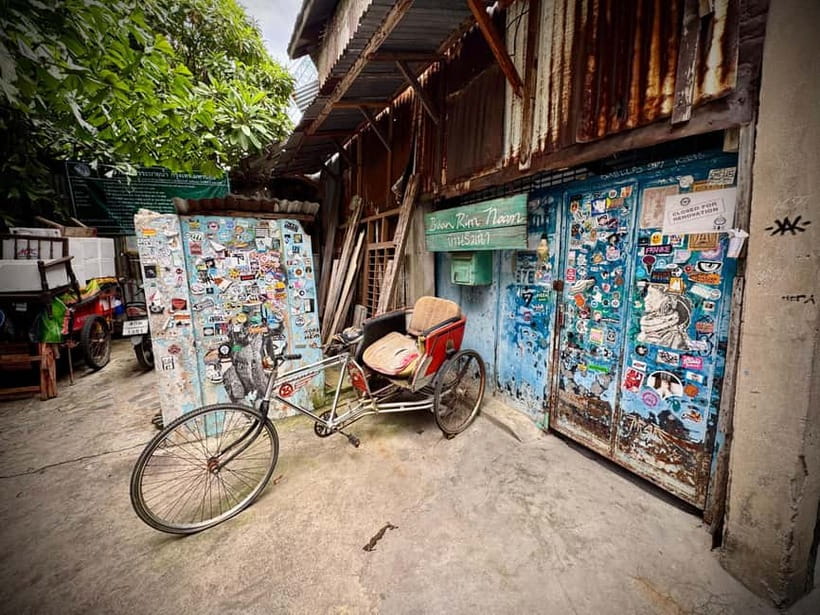
Wat Pathum Khongkha changes the pace. After the market streets and Chinatown’s commercial energy, this temple is described as peaceful and connected with royalty. It gives you a calmer setting in which to absorb what you have seen so far.
That change of mood is important. A walking tour through Bangkok can become a blur of signs, traffic, food, and heat. A quieter temple stop gives both you and the guide room to slow down. You can look more closely, ask questions, and understand that the neighborhood is not only about business.
The route includes photo stops and time to walk around the surroundings. Still, this is not a tour built around long periods of free time at each attraction. If you prefer to sit for an hour at one temple or study architecture alone, you may find the pace brisk. If you enjoy moving through several connected parts of a city, the variety works well.
Wear shoes that can handle four hours of walking. Comfortable footwear is specifically advised, and light clothing, a hat, sunscreen, and extra water will make the day easier. Bangkok’s sun can turn a pleasant stroll into a tiring one if you are not prepared.
A few more Bangkok half-days to weigh up
- 2-hour Bangkok Old City Night CHOB TUK TUK + Talat Noi Street Art
★ 5.0 · 16 reviews
Talad Noi and the old ironworks lanes
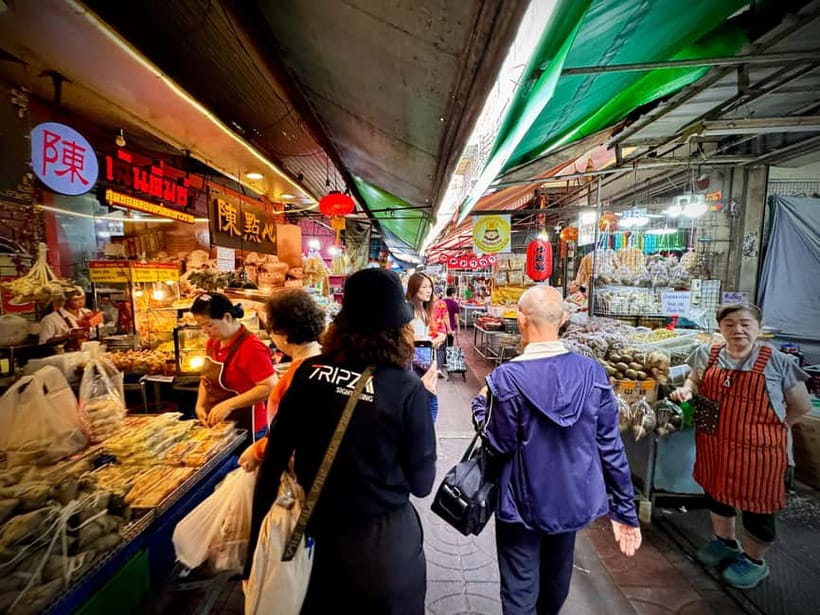
The route eventually reaches Talad Noi, a neighborhood with a different feel from the main Chinatown streets. Here, the walk focuses on old ironworks alleys and the Chinese craftsmen who once forged metal tools. The craft story gives Talad Noi a strong sense of working identity.
This is where the tour earns its price. You are not simply crossing from one famous temple to another. You are seeing how skilled labor, family businesses, and trade shaped the streets. Old buildings and narrow lanes become evidence of a neighborhood that was built through work, not just decoration.
The exact condition of the alleys can vary, and the route is not designed for wheelchairs. You should expect uneven or tight walking spaces, though the supplied information does not list specific surfaces. Keep your belongings close and stay with the guide when the streets become crowded or confusing.
The Talad Noi Community Museum provides a more organized setting for the neighborhood’s story. Museum time can help you place the outdoor sights in context, especially if you are interested in immigration and commerce. The supplied details do not state how long you remain inside or whether a separate admission fee applies, so check the final booking information if that matters to your budget.
Street art, shrines, and old buildings
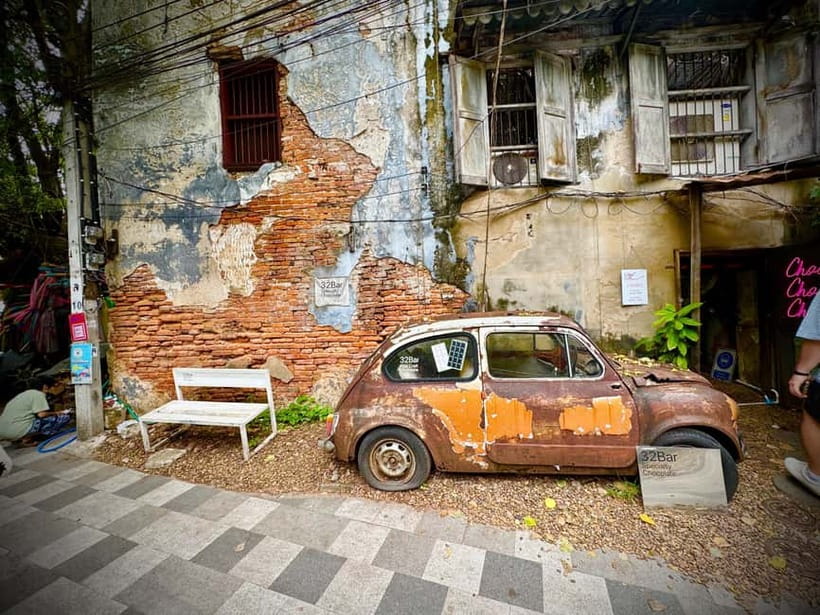
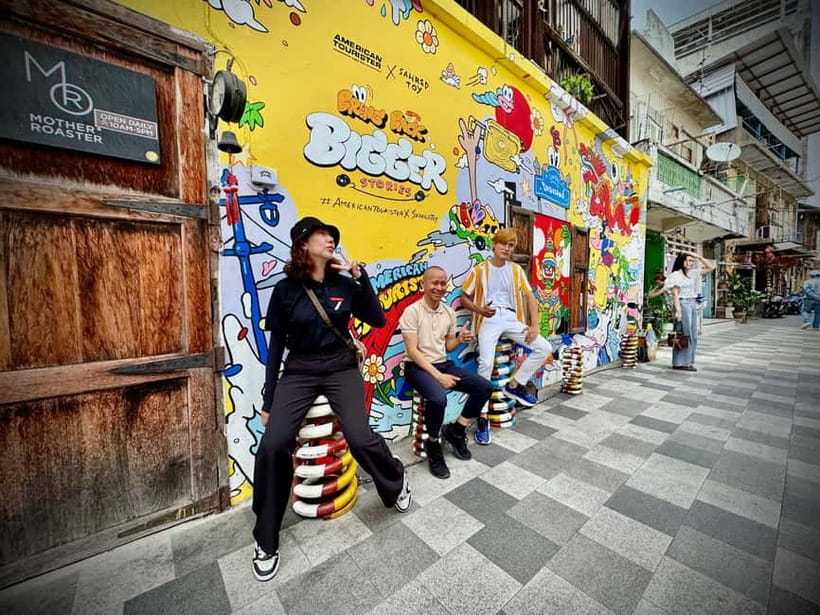
Talad Noi’s street art adds a modern layer to the walk. Colorful murals and painted walls appear alongside old buildings and small shrines, creating an appealing contrast between present-day creativity and inherited traditions.
I like this combination because it gives you better photographs without turning the tour into a hunt for murals alone. The art is part of a living neighborhood, surrounded by homes, workshops, religious sites, and daily activity. Your guide can explain how the visual details relate to the area instead of leaving you to see only a painted wall.
The hidden shrines tucked between older buildings are another strong feature. They can be easy to pass without a guide, especially when you are watching traffic or trying to follow a map. These small religious spaces show how spiritual life can remain woven into ordinary streets.
The guide’s role is most valuable here. Guides such as Mai and Mariyah have been praised for being friendly, flexible, and willing to adjust the walk to personal interests. One family found Jenny especially patient and clear with children, while another visitor enjoyed having Ploy bring traditional snacks during the walk. Those details suggest a tour that can feel personal, particularly when the group is small.
Do not count on a private tour, since group size is not stated. Private experiences have occurred, but that is not something you should assume when booking. If you need a very specific pace or route, ask the operator in advance.
Ending at River City Bangkok
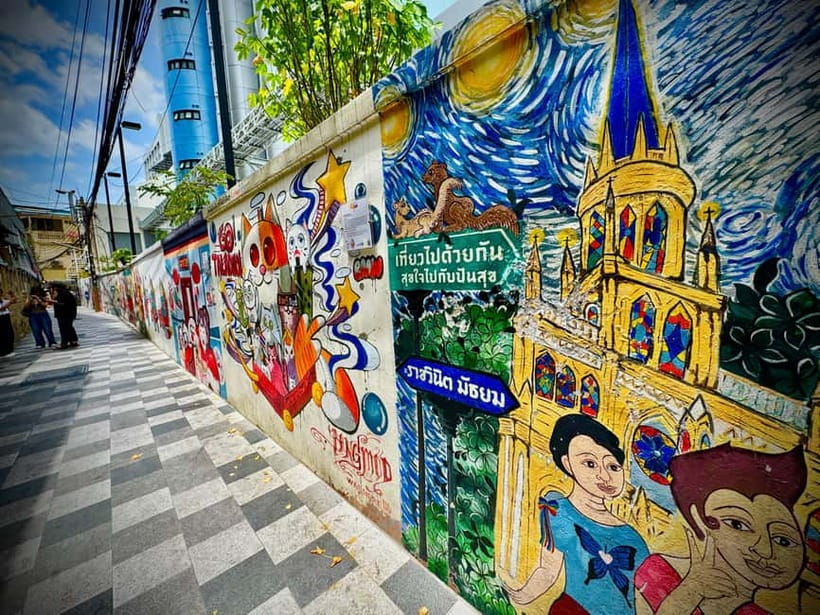
The tour finishes at River City Bangkok on the Chao Phraya River. This is a smart endpoint because you are not returned to the starting station with the rest of your day already planned for you. Instead, you can decide what sounds best after four hours outside.
You might stop for a riverside lunch, continue exploring, or take a scenic boat ride. The tour does not include meals or personal expenses, so lunch and boat costs are yours. The ending also makes it easy to treat the walk as one part of a larger Bangkok day.
The finish is especially handy for visitors who want to combine Chinatown with river sights. You can end the guided portion, rest, and then choose your next move rather than trying to fit every activity into the tour itself. I would avoid booking a tight appointment immediately afterward, though. Bangkok traffic and a four-hour walking schedule can make exact timing hard.
Is four hours and $19 a good value?
For $19, this is a strong choice if you want a structured introduction to Chinatown and Talad Noi. You receive four hours with a licensed English-speaking guide, a bottle of water, and a route that includes temples, a market, a charitable hospital, historic lanes, a community museum, street art, and riverside access.
The value comes from interpretation. You could walk through Yaowarat and Talad Noi on your own, but you might miss the meaning of the Tian Fah Foundation Hospital, the Golden Buddha story, the old ironworking lanes, and the small shrines. A good guide also saves you from spending your limited Bangkok time on map reading.
The price does not cover meals or personal expenses. That is reasonable for a walking tour, but you should budget extra if you want to sample market food or buy snacks. Pickup from your hotel is optional and costs more. If you choose pickup, wait in the hotel lobby at least five minutes before the scheduled time. The guide will hold a sign with your name.
The tour allows free cancellation up to 24 hours before the start for a full refund, and you can reserve now and pay later. Those terms are useful if your Bangkok plans are still shifting.
Who should book this Chinatown walk?
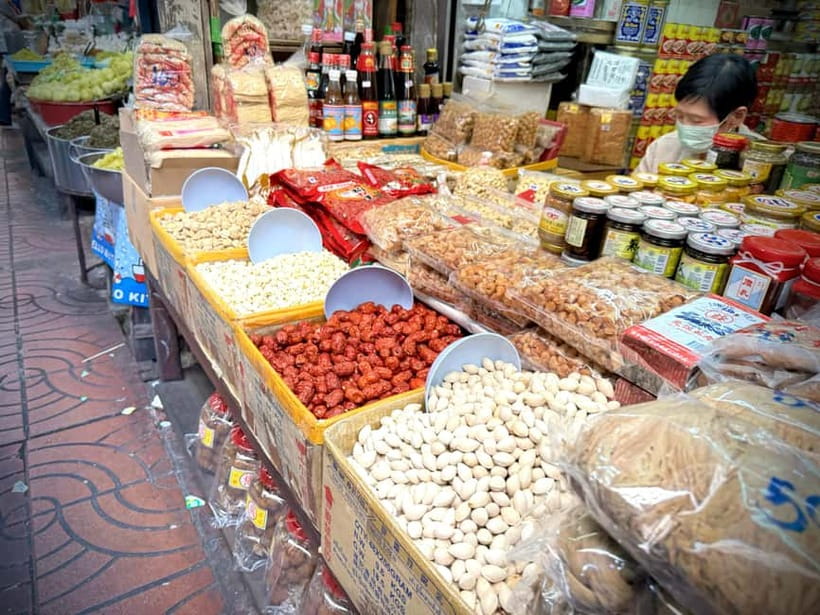
I would recommend it to first-time Bangkok visitors who want context for the city’s Chinese quarter, families who prefer a guide to explain unfamiliar places, and repeat visitors looking for streets beyond the best-known food corridors. It also suits anyone who likes markets, religious sites, local stories, street art, and short conversations about how a neighborhood developed.
It is less suitable if you dislike heat, walking, or narrow urban lanes. The tour lasts four hours, and there is no promise of a long indoor break. Pregnant women and wheelchair users should not book it because the experience is specifically listed as unsuitable for them.
Children can enjoy the visual variety, and Jenny has been especially patient with families, but parents should prepare young walkers for the duration. Bring sunscreen, a hat, and water. The supplied bottle helps, but you should not rely on one bottle for four hours in Bangkok.
Should you book it?
Book this tour if you want Chinatown explained rather than simply photographed. The best reasons are the mix of temples, markets, hospitals, shrines, and craft lanes, plus the practical finish at River City Bangkok.
Skip it if you want a food tour, a short sightseeing loop, or a fully accessible route. For most fit walkers, though, $19 buys a useful four-hour introduction to two of Bangkok’s most layered neighborhoods, with enough flexibility at the end to shape the rest of your day.
FAQ
Where does the tour begin?
Meet the guide at MRT Wat Mangkon Exit 3. Hotel pickup is available as an optional choice at an additional cost.
How long does the walking tour last?
The experience lasts four hours. The Chinatown portion and Talad Noi portion are each listed as about two and a half hours in the sightseeing schedule, so check the confirmed timing when booking.
Where does the tour finish?
The tour ends at River City Bangkok, beside the Chao Phraya River.
Is an English-speaking guide included?
Yes. The tour includes a fully licensed, live English-speaking guide. Guides who have led this experience include Jenny, Nok, Mai, Jib, Ploy, and Mariyah, though your assigned guide may vary.
Are food and drinks included?
A bottle of water is included. Meals and personal expenses are not included, so bring money if you want to eat at the market or buy snacks.
What should I wear and bring?
Wear comfortable shoes and light clothing. Bring a hat and sunscreen, and carry a water bottle so you can stay hydrated during the walk.
Can I cancel or pay later?
You can cancel up to 24 hours in advance for a full refund. The reserve-now, pay-later option lets you hold a place without paying immediately.
More Walking Tours in Bangkok
- Bangkok: City Highlights Temple and Market Walking Tour
★ 4.5 · 3,990 reviews - Bangkok: Grand Palace and Wat Phra Kaew Guided Walking Tour
★ 4.4 · 2,417 reviews - Bangkok: Wat Pho and Wat Arun Guided Walking Tour
★ 4.6 · 1,720 reviews - Bangkok Authentic Tasting Thai-Chinatown Walking Food Tour
★ 4.9 · 852 reviews
Just added around Bangkok
- Yoga in the Park Thailand★ 5.0 · 12 reviews
- Bangkok and Ayutthaya 3 Days★ 4.5 · 12 reviews
- Private Tour: Damnoen Saduak Floating Market and Bangkok City Temples★ 5.0 · 12 reviews
- Chinatown (Yaowarat Road) Neon Photoshoot★ 5.0 · 12 reviews
- Ayutthaya Day Tour By Coach and Cruise★ 4.0 · 12 reviews
- Bangkok Suvarnabhumi Airport: VIP Meet & Greet Service (Fasttrack)★ 3.5 · 12 reviews
- Bangkok: Wow Park Interactive Amusement & Science Park★ 4.5 · 12 reviews
- Afternoon Ayutthaya & Ancient Temples at UNESCO site By Road★ 4.5 · 12 reviews
Bangkok Street Food Tours, compared.
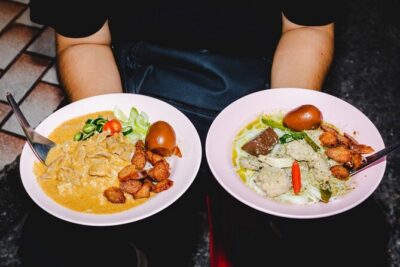
Bangkok Backstreets Food Tour with 15+ Tastings
Read our review →
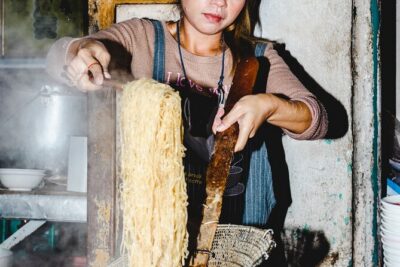
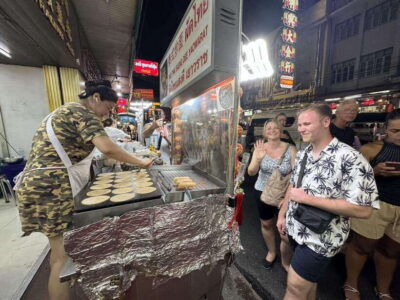
Bangkok Authentic Tasting Thai-Chinatown Walking Food Tour
Read our review →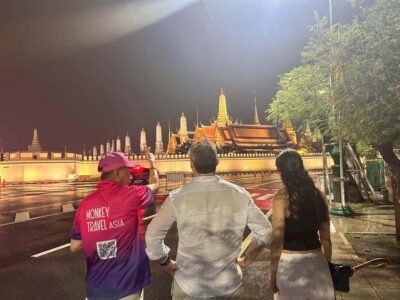
Tuk Tuk Adventure Chinatown Michelin Food & Temples
Read our review →
Bangkok Tuk-Tuk Tour by Night with Chinatown Street Food Meal
Read our review →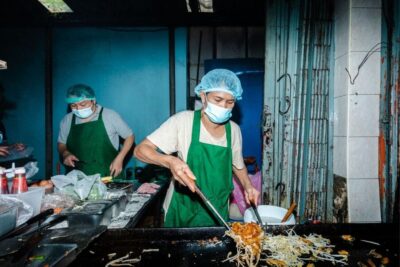
Browse the lists this tour appears in